

Hybrid Work Isn’t Going Away — But Most Teams Still Struggle
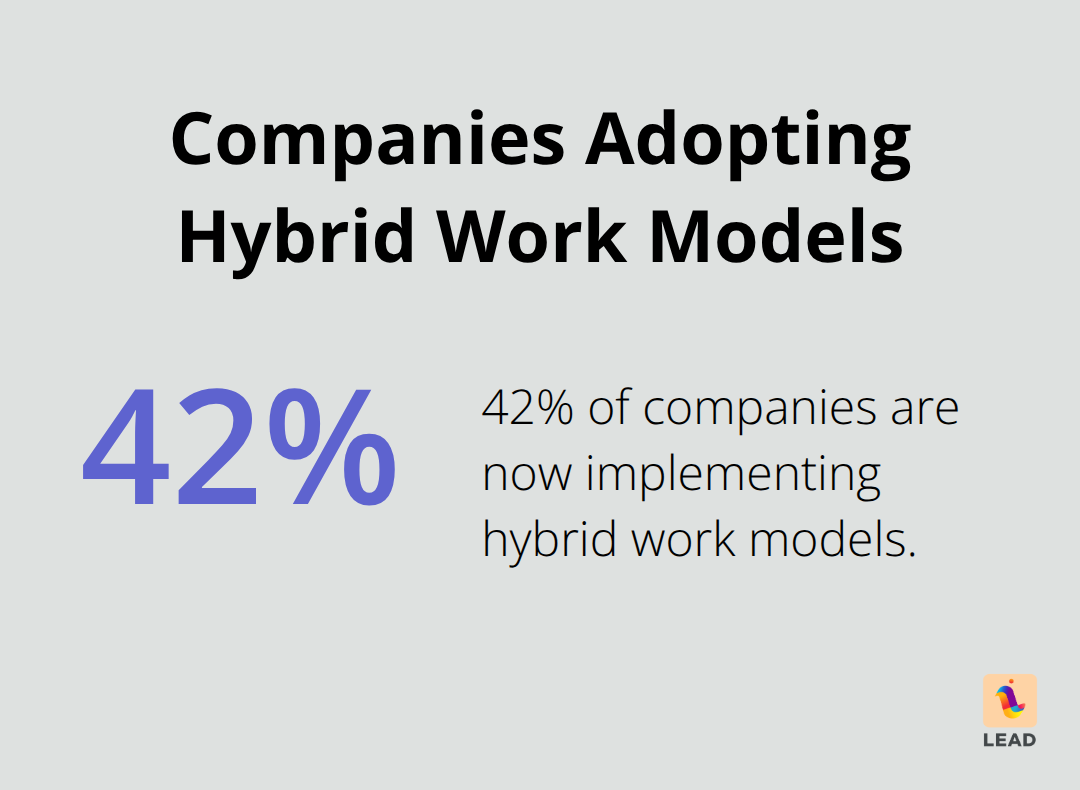
42% of companies now run on some form of hybrid model — part office, part remote — but few know how to make it work. Most are still improvising, tossing tools and hoping collaboration magically happens. (Spoiler: it doesn’t. Trying to run hybrid without a plan is like trying to nail Jell-O to a tree.)
At LEAD.bot and Sunrize, we’re deep in this world — helping companies onboard, connect, and train hybrid teams so they can actually thrive.
Stop “Wing-It” Training
PowerPoints and random Slack messages aren’t a strategy. Hybrid training works when it’s designed, not improvised. Before you hand out another app login, you need a communication blueprint:
-
Response clarity: e.g., Slack replies within 2 hrs, email 24 hrs, urgent issues → dedicated channel.
-
Onboarding consistency: remote done right = 82% higher retention, 70% jump in productivity.
-
Contextual cues: teach digital body language — when to hop on video vs. async updates, how to give feedback that lands.
This is exactly where Sunrize for Slack comes in — nudging communication norms, surfacing connection gaps, and making onboarding predictable, not chaotic.
Train Skills for Both Worlds
Hybrid isn’t just remote + office smashed together. Each side needs tailored skill-building:
-
Remote talent → async collaboration, clear deliverables, presentation in digital formats.
In-office talent → inclusive meetings, cross-time-zone project habits, awareness of who’s not in the room.
Managers → hybrid-specific leadership: measuring performance across work modes, coaching distributed problem-solving, not just generic “leadership 101.”
LEAD.bot helps here by mapping informal networks and surfacing knowledge connectors — who’s influencing, who’s isolated — so training and support land where they’re needed.
Make Hybrid a Growth Engine, Not a Headache
When comms are clear, onboarding is structured, and team behaviors are visible, hybrid stops being chaos and starts being an advantage. People know where to go for answers, managers can see collaboration health, and innovation flows across time zones instead of stalling.
If you’re still guessing at how to run hybrid — stop guessing.
See how LEAD.bot and Sunrize help companies build people-side infrastructure for the new workplace.
Train Skills for Mixed Environments
Old-school training just leaves hybrid teams hanging because it skips those golden nuggets of location-specific wisdom. Remote folks? They need killer skills in asynchronous collaboration and to get their digital slides ready to dance. Office peeps? Time to tweak those meeting habits for inclusivity and manage projects across the globe. (Spoiler: 40% would bounce if forced back to the rigidity of the office dungeon.) Hybrid-savvy managers, therefore, aren’t just a nice-to-have-they’re mission critical for boosting team performance with real-world problem-solving, not just a recycled leadership 101 spiel.
And there you have it-the puzzle isn’t just about nailing down comms and skills. It’s also how you measure and keep track of performances that bridge your different work terrains. And yes, connecting hybrid and remote teams opens doors for those ‘lightbulb moment’ collaborations-the stuff innovation thrives on.
How Do You Track Performance Across Hybrid Teams
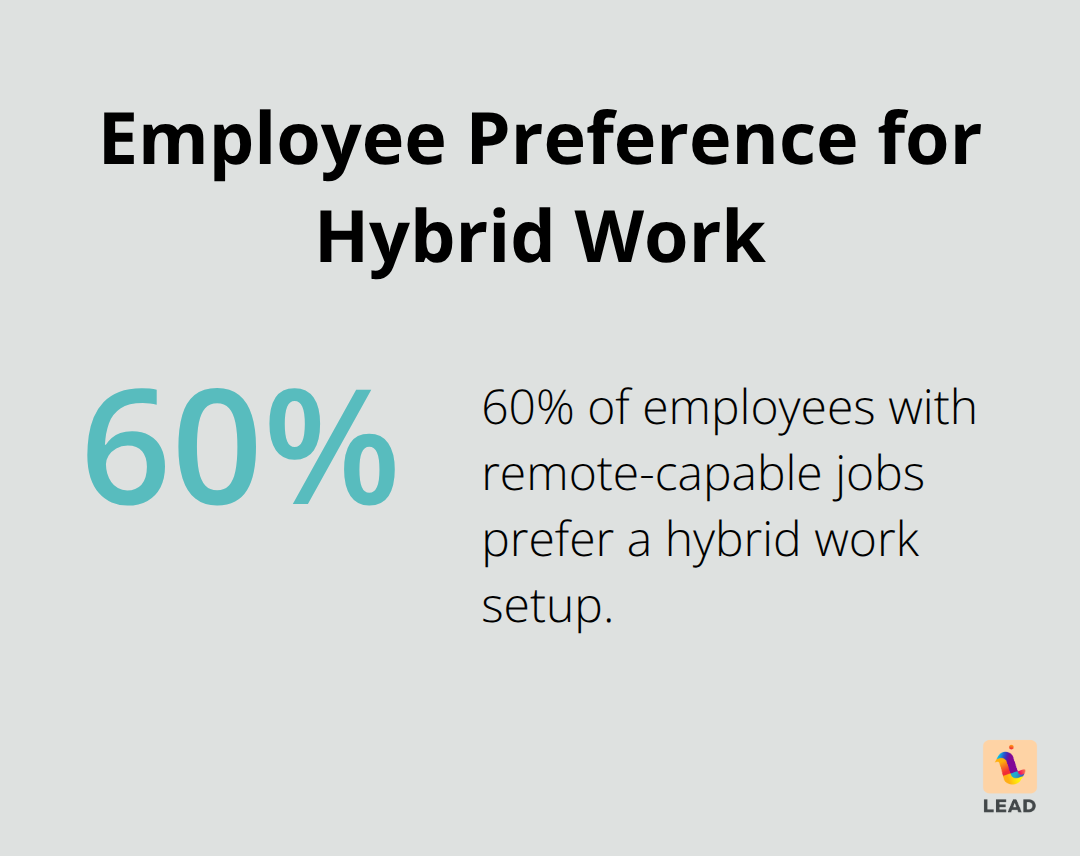
Toss out those fluffy performance reviews-sounding good but doing zip. Hybrid teams, they need metrics that hit home. Think output-based goals that are spot-on, whether you’re at the kitchen table or the corner office. Check this: six in 10 employees with remote-capable gigs crave a hybrid setup, so results-focused management isn’t a nice-to-have-it’s a must.
Set up weekly deliverables, monthly project milestones, quarterly outcome targets. Keep an eye on completion rates, quality scores, client satisfaction ratings. Those numbers? They spill the real tea. Research from Forbes remote work data highlights this growing trend. Research from McKinsey’s workplace insights supports this approach.
Measure What Actually Moves the Needle
Performance dashboards-better than flying blind. Keep tabs on response times in chats, project momentum, collaboration frequency. Studies? Yep, they show no negative relationship between hybrid work and getting stuff done-as long as the tracking system’s solid.
Watch individual contributions-code commits, document updates, sales activities. Peek at team collaboration patterns-who’s chatting with who, knowledge sharing regularities, and cross-location project hits. The trick? Real-time visibility that flags issues before they’re disasters.
Fix Productivity Gaps Before They Spread
Remote workers-they’re battling isolation. Office folks? Swamped by meeting mania. Tackle these with laser-focus solutions. Schedule focus time blocks for deep dives, limit meeting overlap across time zones, nail down clear handoff protocols for the async hustle.
Companies see productivity wins when location-specific hiccups get crushed. Use regular pulse surveys to catch burnout early, pin down communication bottlenecks, spotlight resource shortages. Teams that face mixed-environment bumps head-on? They score higher on engagement than teams brushing off location extremes.
Turn Data Into Action Plans
Raw metrics-useless without savvy analysis. Weekly performance reviews need to showcase trends, not just digits. Spot the patterns-does Friday productivity tank for remote folks? Office crews slacking on teamwork in peak seasons? Flip these insights into clear action plans.
Craft up performance improvement strategies considering location quirks. Remote peeps might need decked-out home office setups or time management crash courses. Office staff could benefit from collaboration tools or power-meeting workshops. The mission? Convert performance data into practical solutions that crush it.
But hey, tracking performance is just part of the equation. The real sorcery kicks in when you build the kind of culture and engagement that fuels peak performance, no matter where the crew is clocking in from.
How Do You Build Culture That Spans Locations
Let’s be honest-culture in hybrid teams goes six feet under when it’s treated as an optional add-on. The magic potion? Shared responsibility between managers and employees, regardless of where they’re punching in from. Forget those cringe-inducing virtual happy hours. What you need is an intentional, rock-solid connection system.
Weekly one-on-ones… that’s your secret weapon, far superior to those monthly team meetings that are about as effective as a chocolate teapot for bonding. Microsoft’s data doesn’t lie-managers who check in weekly see a 40% boost in engagement scores across all the exotic locales. Mix up the schedule so everyone’s time zone gets a turn, and remember-remote workers crave leadership facetime, and office folks want in on the digital chatter.
Make Team Building Actually Work
Kill the virtual escape rooms, please. Team building that matters? It’s about collaboration on real work, not those scripted fun-fests. Buddy up your remote and office workers on genuine projects with urgent deadlines. Cross-location mentoring programs? They’ll demolish those cookie-cutter team activities, trust me.
Companies with structured buddy systems hit the finish line 23% faster on projects. Set up problem-solving jams where geography is irrelevant. Have those skill-sharing workshops where remote whizzes teach office peeps a trick or two-and flip the script, too. According to Harvard Business Review, when teams mix it up for actual work, they’ve got cultural cohesion that’s unshakeable.
Keep Company Values Alive Everywhere
Company culture? It chokes when remote workers feel like they’re wearing a “minor league” jersey. Everyone needs a slice of that information, the juicy opportunities, and those decision-making pow-wows to keep the culture train rolling. Record every meeting, hand out documents like confetti, and pass the presentation baton across office lines.
Gallup says hybrid workers who feel they’re in the club perform a sweet 21% better. Get yourself culture ambassadors in every spot to spread the word, shout about the wins, and keep the message tight (golden move if you’re a giant with offices all over the map).
Address Isolation Before It Spreads
Isolation-it’s the sneaky villain remote workers battle, unlike their office counterparts. Tackle it head-on with purposeful peer connections and those regular touchpoints that hint at “I care.” Connect remote team members with project leads based in HQ and vice versa. That’s your ticket to collaboration that laughs in the face of distance.
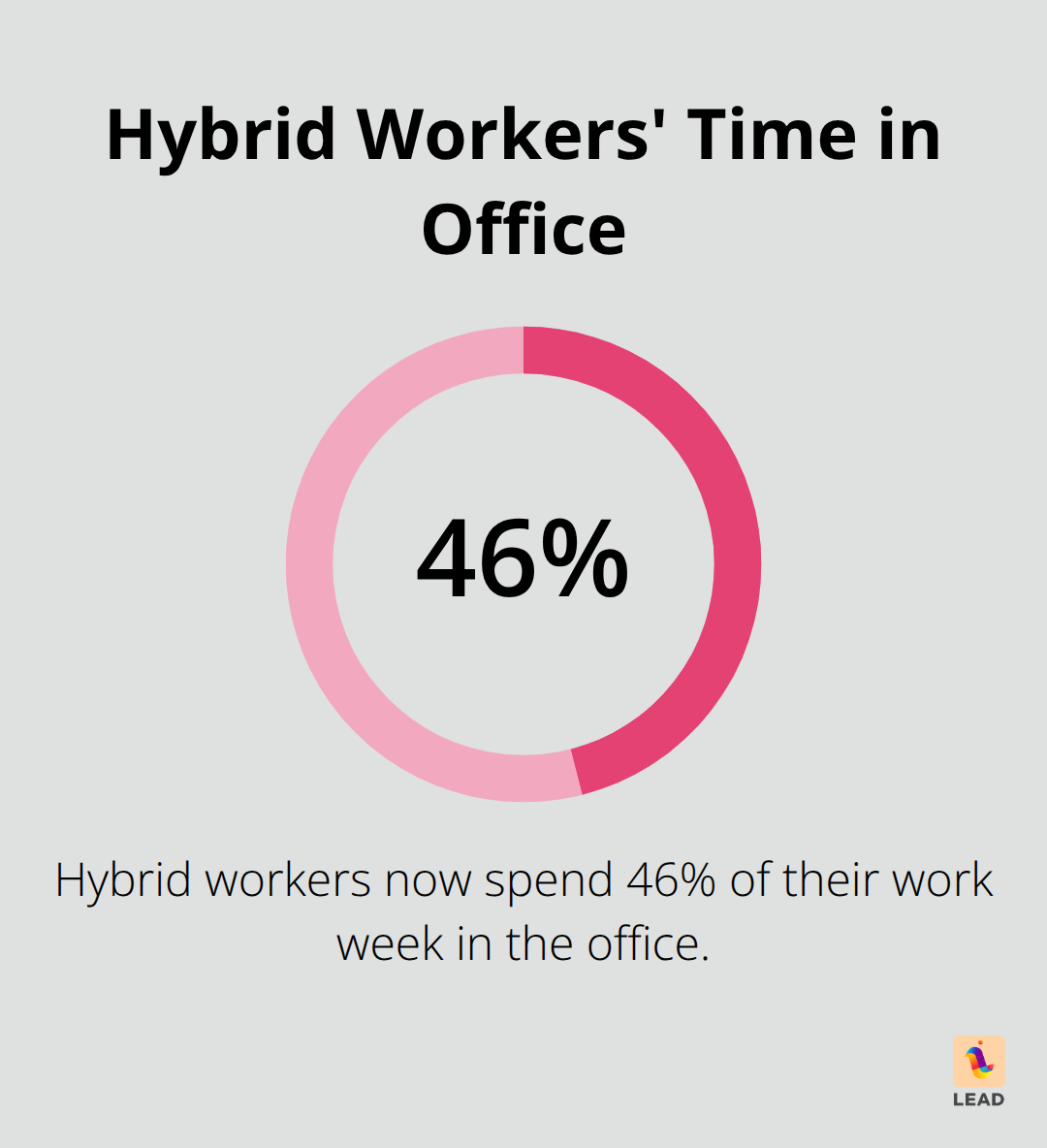
All-hands meetings? They work… if everyone gets on the mic and the spotlight’s on real wins, not just the rah-rah corporate song and dance. Hybrid workers are now clocking in 46% of their week from the office scene, shaking up team leadership and retention tactics like never before.
Final Thoughts
Managing hybrid teams-it’s not brain surgery, folks, but it does require a bit of finesse. Winners in the hybrid game nail three pillars: structured communication protocols, performance tracking that actually gets the job done, and culture-building that transcends the office walls (or lack thereof). Miss any of these elements, and you’ll watch your hybrid strategy implode faster than you can say Jenga.
What’s the prize on the other side? Teams that ace managing hybrid teams training reap 27% better performance and 59% lower turnover. This isn’t just touchy-feely data; we’re talking serious bottom-line dollars here. Remote-capable workers are here to stay, and those who crack the hybrid code are going to clean up in the upcoming talent battles.
So, what’s your next move? Nail down your communication frameworks first-non-negotiable. Then, layer on performance metrics that actually, you know, matter. Build culture around real work collaboration-none of that forced fun nonsense. Tools like LEAD.bot can speed things up by charting your team’s collaboration habits and spotting knowledge gaps before they become full-on catastrophes (spoiler alert: the hybrid revolution isn’t coming-it’s already kicked down the door).