

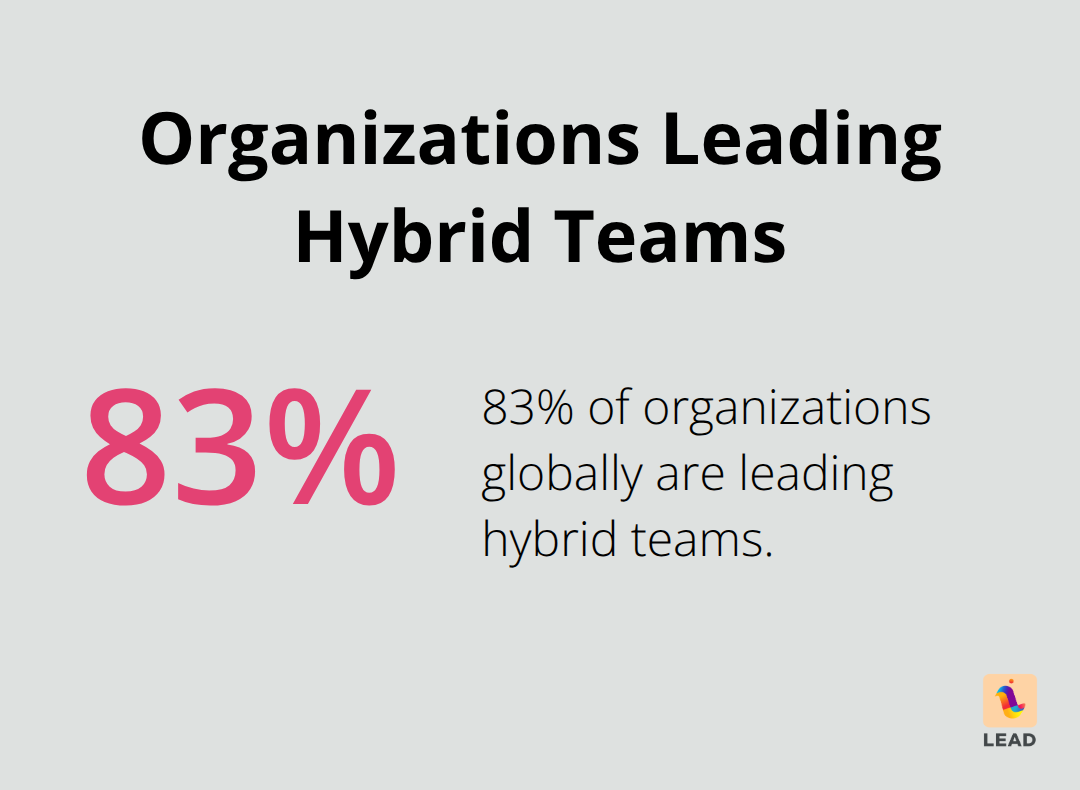
Leading hybrid teams—it’s the reality now for 83% of organizations across the globe. What does this mean for leadership? Unique challenges… ones that old-school management just can’t hack.
At LEAD.bot, we’ve witnessed how the right tactics can turn a fragmented crew into a powerhouse unit. The secret sauce? Tweaking your leadership game to close the chasm between those dialing in from home and the folks tapping away at office desks.
What Makes Hybrid Leadership So Difficult?
Hybrid leadership-it’s like exposing every weak link in your management chain you didn’t even know existed. Microsoft research tells us hybrid teams can crank up productivity by letting folks work in ways that suit them best. But many roll without a collaboration game plan, whipping up a cocktail of chaos and dropped connections. The biggest trap? Leaders thinking remote folks and office folks are living the same work life. Spoiler: they’re not. Office folks get that quick feedback-and all those hallway chats. Remote folks? They’re betting everything on scheduled meets and digital trails.
The Silent Productivity Divide
The worst snag isn’t the stuff you see-it’s the stuff you don’t. Gallup tells us six in 10 folks with remote-ready gigs want hybrid setups, with a solid third wanting the full remote ride. But remote workers go stealth mode, with their struggles hidden by “everything’s fine” updates. Meanwhile, office folks run the impromptu show and control informal influence. You end up with a two-tier system where you sit decides how much sway you’ve got. The fix? Not more meetings. It’s about level playing fields for info access, decisions, and building bonds.
Time Zone Chaos and Schedule Fragmentation
Teams across time zones-they face more than just finding a good meeting time. The real kicker is asynchronous decision-making and transferring knowledge half-baked across the globe. When London clocks out and San Francisco punches in, vital context gets lost in the shuffle. According to Harvard Business Review, distributed teams bleed 21% more productivity due to shoddy handoffs than their co-located counterparts. Smart leaders, they jot down why decisions get made (not just the decisions themselves) and schedule overlap times for global syncs-not endless email ping-pong.
The Trust Deficit Problem
Trust. It builds differently in hybrid setups, and most leaders don’t get this change. Office folks have it easy-casual chats and natural rapport. But remote workers have to orchestrate their rapport moments like a maestro. Studies say it takes 40% longer to form trust in virtual-first relationships compared to in-person ones. Leaders missing this timeline often see professional aloofness as disengagement. And the chasm gets bigger when remote folks miss those non-verbal cues on video calls or feel left out of those spontaneous whiteboard brainstorms.
These hurdles-yeah, they demand a full overhaul of how you map out communication, build those networks, and define success metrics across your hybrid team.
What Actually Works for Hybrid Team Leadership
Stop treating hybrid leadership like same-old management with a sprinkle of Zoom calls. Research from MIT Sloan shows teams rocking structured hybrid protocols outperform traditional squads through external activity and stretchy structures. The ace up the sleeve? Three no-brainer systems that separate winning leaders from the ones drowning in Slack chaos.
Communication Architecture That Actually Functions
Forget the free-for-all approach. Harvard Business Review found that poor communication might be throwing a wrench in your team’s mojo, especially in remote or hybrid setups. Go for async channels for updates, sync for choices, and emergency for real-deal urgencies.
Define response time rules: 24 hours for stuff that’s not on fire, 4 hours for project-critical items, 1 hour for real emergencies. Remote folks need predictable rhythms, not a constant barrage of ping-pong notifications. Jot down decisions in shared spaces where everyone gets the context later (hallway chats are antiquated when everything juicy lives in digital trails).
Meeting Formats That Include Everyone
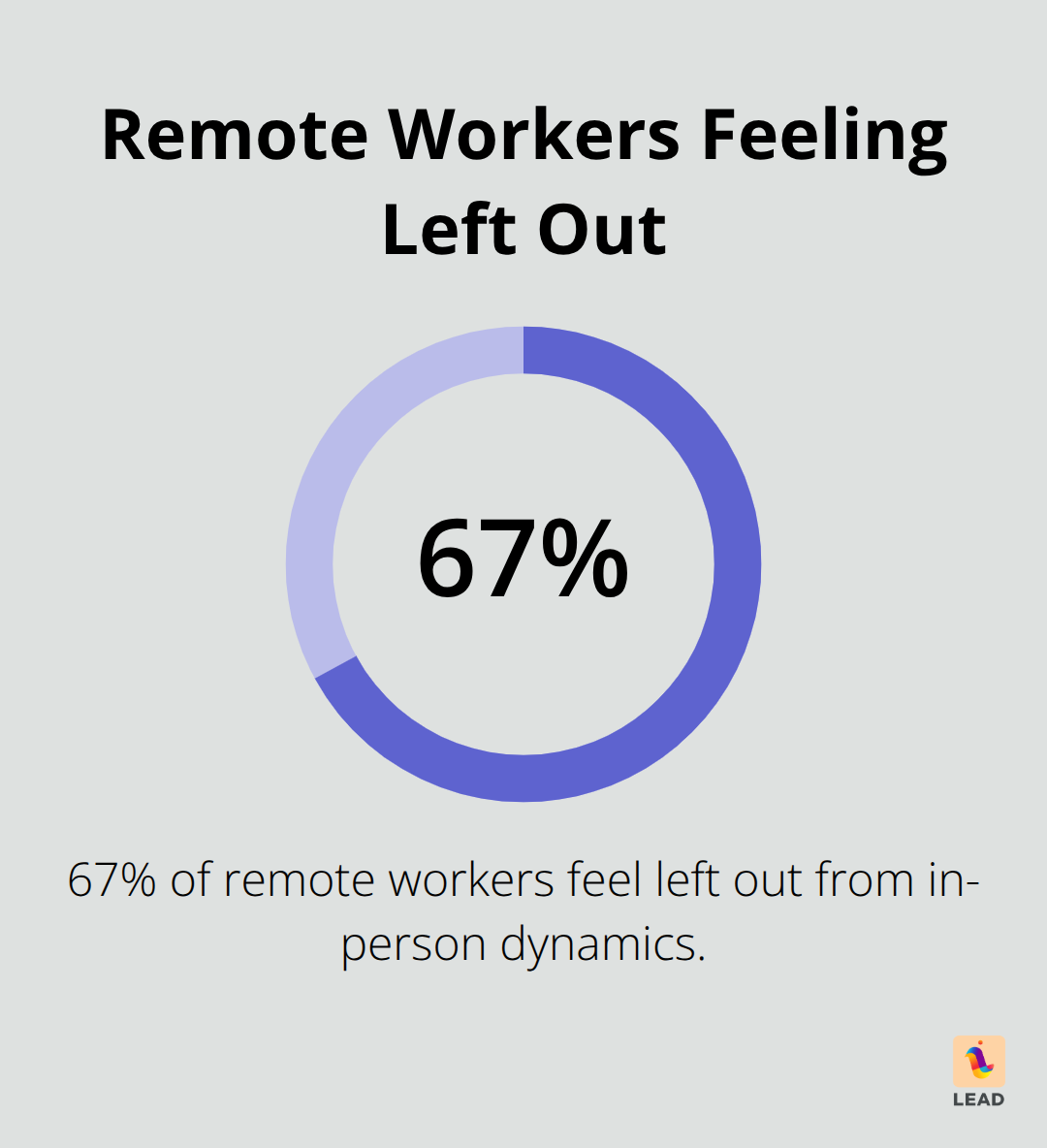
Traditional meetings? They’re the Achilles’ heel of hybrid productivity. Cisco research tells us 67% of remote folks feel left out from in-person dynamics. The magic trick? Start every meeting with digital on the brain. Use shared screens for the agenda, collaborative docs for notes, and a structured turn-taking system.
Remote folks get to speak first to avoid office-heavy chatter. Record everything, slap timestamps on key decisions for later review. Cap meetings at 25 minutes with a 5-minute breather for transitions. Weekly syncs beat daily standups for hybrids because they bake in deeper prep and more rewarding updates.
Outcome-Based Performance That Eliminates Location Bias
Clocking hours? That’s yesterday’s news in hybrid lands. Stanford research reveals outcome-focused teams nail 22% higher performance compared to stopwatch teams. Nail down specific deliverables with crystal-clear success measures for each member. Weekly progress check-ins replace the daily grind of micromanagement.
Track project milestones, client smiles, and quality markers over login times. Remote champs often outshine office regulars when results do the talking-they dodge interruptions and laser in on deep work (this metric shift levels the playing field across every location).
These systems lay the groundwork, but they won’t stick without that human touch that makes teams actually want to stick together.
How Do You Actually Build Trust in Hybrid Teams
Trust in hybrid environments? Yeah, it crumbles quicker than you’d think. According to Buffer’s State of Remote Work report, 75% of remote workers feel connected to their colleagues or clients…yet connection struggles persist. The chasm yawns wider when leaders cling to old-school trust techniques that just don’t jive on a screen.
Virtual coffee chats are great, no doubt, but they need routine and more than chit-chat about the weather. Book 15-minute monthly one-on-ones with each team member-dig into personal interests and career dreams instead of sticking to project briefs. Keep tabs on who shies away from these informal chats.
Real-Time Sentiment Tracking That Matters
Pulse surveys? They wipe the floor with those yawn-inducing yearly reviews in hybrid zones. Fire off weekly two-question surveys to catch mood swings before they spiral into resignation dramas. Probe a bit: How supported did you feel this week on a scale from 1 to 10, and what’s your wish list for a better experience next week?
Research shows that highly engaged employees are less drained by virtual meets than their disengaged counterparts. Use this scoop to finetune workloads and meet schedules. Anonymous feedback tools spill real-deal sentiment that face-to-face check-ins often gloss over thanks to the “say what the boss wants to hear” syndrome.
Recognition Systems That Cross Location Boundaries
Public kudos hit differently when half the crew never sees that in-office Slack praise wall. Roll out digital recognition rituals to put remote peeps on the same stage. Share the week’s highlights in all-hands meetings with shout-outs for remote stars.
Set up peer nom systems where team members shout out colleagues’ wins from any location. Workhuman’s findings say remote employees need 40% more high-fives to feel as cherished as office mates. Monthly team spotlights? They celebrate both work wins and personal milestones (keeps everyone looped into success stories-no matter where they login).
Trust Batteries That Actually Charge
Picture this: a 50% trust battery for each team member…watch how behaviors charge or drain it. Deliver on promises? Boom, it charges. Ghost on deadlines? Watch it drain like a sieve. Document these trends to pinpoint trust cracks before they turn into a team meltdown.
Remote workers? They crave clearer trust signals than their office-bound pals who thrive on casual encounters. Fire off quick updates after wrapping up tasks, share the juicy details behind decisions, and ‘fess up to goof-ups openly in team hubs instead of sliding into DMs.
Final Thoughts
Let’s talk about leading hybrid teams-successfully. It all boils down to three must-haves: structured communication protocols, outcome-based performance metrics, and trust-building frameworks that aren’t just added fluff. These are the pillars separating the efficient and thriving teams from those stuck spinning wheels in productivity quicksand. Nail hybrid leadership, and you’re looking at a 22% bump in productivity… and way less money going down the drain from turnover.
And the perks? They aren’t just about juicing up team performance in the here and now. Remote folks stick around longer, office peeps aren’t drowning in interruptions-like a constant game of Whac-A-Mole-and decision-making? Turbocharged because everyone’s reading from the same script. Your game plan: pick a system, nail it, then layer in the complexity. Start with that communication architecture-30 days… async vs sync rules locked in.
This hybrid work upheaval? It’s no passing fad. It’s flipping how businesses tick-all over the globe. Get your leadership frameworks in order, and you’ll be the Pied Piper of talent, attracting and keeping the best in the biz for the long haul. LEAD.bot can turbocharge your efforts, serving up real-time insights into how your team is feeling and collaborating. Spot problems before they morph into productivity sinkholes.