

Knowledge silos slow decisions because critical context gets trapped inside teams, tools, or routines. When people cannot easily find the right expertise or understand how work connects across the organization, execution suffers, duplication rises, and learning stalls.
Over at LEAD.bot, we’ve witnessed the battle with these knowledge fortresses up close (spoiler alert: it’s messy). Figuring out how these silos operate and what they mean is mission critical if you’re serious about surviving in today’s cutthroat market.
So, let’s get into it. We’re diving into the world of knowledge silos. What are they? How do they mess with your organization? And—most importantly—how can you smash them to pieces? Buckle up.
What Are Knowledge Silos?
Defining Knowledge Silos
Knowledge silos, folks – they’re those invisible blockades that stop information from taking a leisurely stroll through your company. It’s like you’ve got these secret fortresses hoarding insights, expertise, and data within certain teams or departments. These silos hinder collaboration, slow down decision-making, and yeah, they hit the company’s bottom line square in the face.
The Root Causes of Knowledge Silos
Poor Communication
Alright, culprit number one – poor communication. When teams don’t have slick channels for info-sharing, they’re like islands cut off from civilization. A study by Salesforce tells us 86% of executives blame bad collaboration and communication for business failures. That’s a big ‘oh boy’ on why open communication is your wrecking ball against silos.
Outdated Technology
Next up on the hit list is outdated technology. Imagine departments stuck with dinosaur-era software that doesn’t get along with others. Sharing data? Not happening. This tech mismatch breeds fragmented info and, surprise, more duplicate effort.
Organizational Structure
And then there’s the business structure – the big kahuna. If your company’s got a rigid, hierarchical setup, it’s basically a breeding ground for silos. Teams laser-focused on their own KPIs tend to ignore sharing the treasure chest of info with their fellow departments.
Real-World Examples of Knowledge Silos
Let’s dive into some good ol’ real-world drama:
- Picture a marketing team crafting a killer new customer persona. But, wait for it – this intel never makes it to the product team. So, they design features that are totally out of sync with what customers actually want. Oops.
- Then there’s sales – they’ve got the customer pain points down to a science. But customer support? In the dark. So support fumbles through issues, customers get irked, and bam, missed chances for better products.
- And HR? They roll out a snazzy new employee engagement plan. But due to shoddy internal communication, different managers pull the “wing it” method. Result? Inconsistent employee experiences and a diluted impact.
Breaking Down Silos with Technology
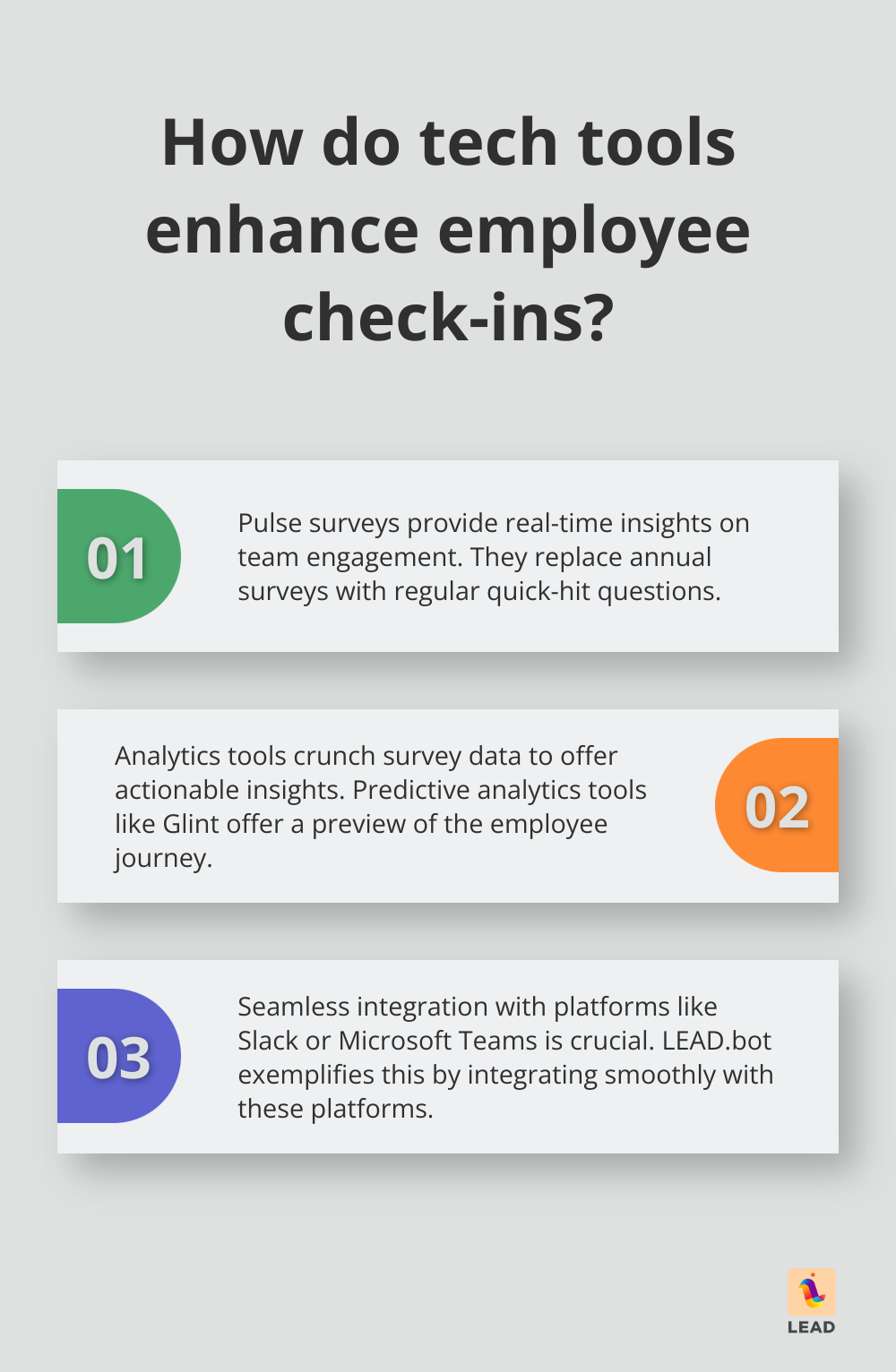
Technology to the rescue – again. The right platforms that pair up with communication powerhouses (hello Slack, Microsoft Teams) are your golden ticket to dismantling silos and building bridge-fests across departments.
Think virtual coffee chats and sync-ups. They foster cross-departmental networking, where employees build bonds beyond their usual circles. Boosts morale and kicks informal knowledge sharing into high gear.
Plus, organizational network analysis tools reveal the experts, and spotlight the gaps in your company’s collaboration zones. Nail those networks, boost productivity, cut redundant work, and speed up decisions.
Implement these tech wonders – and watch your workplace morph into a more connected, pioneering, and efficient hub where knowledge silos? Poof, gone. In today’s warp-speed business scene, seamless info flow isn’t a nice-to-have – it’s the backbone for survival and growth.
Now that we’ve pulled back the curtain on what knowledge silos are and their origin stories, let’s zero in on their impact on organizations.
How Knowledge Silos Damage Organizations
Productivity Plummets
Knowledge silos… not just a workplace annoyance – they’re a productivity sinkhole. When employees hit a wall because they can’t find the information they need, everything grinds to a halt. According to IDC, knowledge workers waste nearly a third of their workweek just searching for or recreating info that already exists. Yep, that’s a productivity nosedive.
Innovation Grinds to a Halt
Innovation – it’s like oxygen for business. But when departments work in their own bubbles? That creativity gets snuffed out. Effective networks are the magic ingredient for sparking new ideas and driving innovation. So, tearing down those information walls? Crucial.
Knowledge Disappears
Here’s a scary thought: employees leaving and taking their knowledge with them. Poof. Gone. Knowledge silos make this inevitable turnover a nightmare. If essential info is tangled up in someone’s head, their exit leaves a void. According to Panopto, 42% of institutional knowledge is locked away in employees’ brains. (Yep, that’s a ticking time bomb for continuity.)
Collaboration Suffers
Silos – they breed this toxic “us vs. them” vibe. Departments get stuck in turf wars, making collaboration a rare unicorn. Cue duplicated efforts, conflicting strategies, and general workplace chaos. Salesforce reports a whopping 86% of folks pointing fingers at poor collaboration and sketchy communication for workplace fails.
Decision-Making Slows Down
Making decisions in the dark? Not ideal. Without a full picture of the data landscape, leaders are taking shots in the dark, often missing the mark. According to Aberdeen Group, those with unified data sources make decisions 5 times faster than their rivals. Yes, five times. That’s fast.
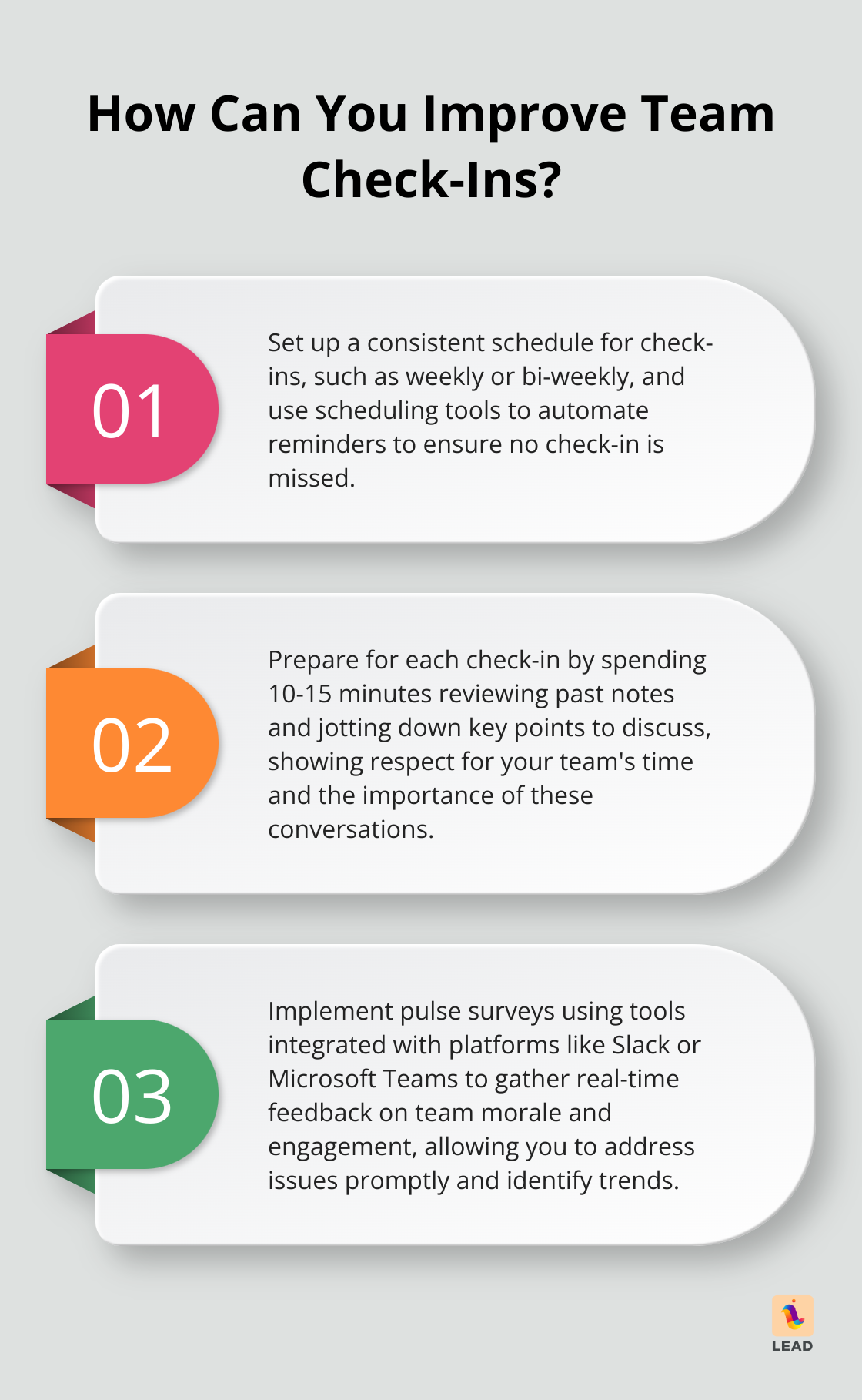
To knock down these obstacles, prioritize breaking down knowledge silos. That means adopting solid knowledge-sharing systems, boosting mentorship programs, and utilizing tools that capture and distribute know-how across the board. Platforms like LEAD.bot? They’re game-changers, setting up virtual coffee chats and sync-ups that ignite unexpected collaborations and fresh ideas.
Next up, dive into smart strategies for tearing apart these destructive silos and nurturing a culture of open communication and collaboration.
How to Demolish Knowledge Silos
Cross-Functional Teams: Your Secret Weapon
Picture this: knowledge silos crumbling – yes, crumbling – when you toss different folks into the mix. Cross-functional projects? They’re the kryptonite to these barriers. They force people from all corners of the company to sit together, swap ideas, and, dare I say, actually learn from one another.
According to research from Deloitte, these teams are like golden geese for innovation and adaptability.
Here’s how you make it stick:
- Pick a project screaming for diverse skills.
- Choose folks from all over – sales, tech, marketing…you get it.
- Lay down some goals focused on sharing the brainpower.
- Use tools that scream collaboration.
Tech Tools: Your Silo-Busting Arsenal
In this digital jungle – not using tech for sharing what you know? That’s like bringing a butter knife to a gunfight. The right tools? Boom – your company is now a knowledge-sharing juggernaut.
Check these out:
- Knowledge management systems: Real-time vaults for everything your company knows.
- Collaboration platforms: Slack, Microsoft Teams, Asana – pick your weapon.
- Internal wikis: A living, breathing brain trust.
(Pro tip: LEAD.bot – integrates with Slack and Teams – make those virtual coffee chats count. Knowledge exchange… just chatting? More like striking gold.)
Culture Shift: From Hoarding to Sharing
Tech tools are hot stuff, but if your culture’s stuck in ‘hoard-all-the-things’ mode? Nope. Time to flip that script – make sharing second nature.
According to a recent study by McKinsey, firms with killer knowledge sharing are, get this, 31% more likely to outshine their rivals.
What to do? Simple:
- LEAD.bot by example: Let the higher-ups share and watch the magic trickle down.
- Reward sharing: Make heroes of those who give into knowledge-sharing efforts.
- Simplify the process: If it’s sticky-taping, it won’t fly. Keep it seamless.
Mentorship: The Ultimate Knowledge Transfer
Think mentorship programs are old hat? Think again – they turbocharge that knowledge flow. Match seasoned pros with the newbies, and voilà – you’ve got an express lane for wisdom.
Start with this:
- Clearly define what you want the program to achieve.
- Pair mentors with mentees based on skill set and goals.
- Train those mentors well.
- Use tech to keep those mentor-mentee chats flowing.
Sure, demolishing knowledge silos isn’t a set-it-and-forget-it deal. But when everyone pitches in, the payoff? A workplace that’s as innovative as it is efficient. And today’s world demands it – not just a nice-to-have, but a straight-up survival tool.
Final Thoughts
Knowledge silos – those pesky barriers – cripple organizational growth by trapping intel within specific departments. You end up with duplicated efforts, missed opportunities, and a company culture that’s about as cohesive as a patchwork quilt. The smart money is on companies that tear down these silos. Open communication? That’s your golden ticket to innovate, adapt, and thrive in those cutthroat markets.
LEAD.boters gotta put knowledge sharing on the front burner as a core business strategy. What’s on the menu? Cross-functional teams, tech that doesn’t let data fall through the cracks, and a culture that throws a party for sharing insights. LEAD.bot facilitates virtual coffee chats and sync-ups, which boosts networking and collaboration across departments and hierarchies.
Break those knowledge silos, and what do you get? A workforce that’s agile, innovative, and packed with resilience. The kind that eats challenges for breakfast, seizes opportunities, and stays on the cutting edge in a business world that’s spinning faster than ever. LEAD.boters, you’ve got to be the detectives here. Sniff out those telltale signs of knowledge silos, execute strategies to demolish them, and pour resources into tools that ensure knowledge flows like a smooth jazz riff.