

Businesses are bleeding $31.5 billion a year because they can’t get their knowledge sharing act together. Teams are hoarding insights like it’s the last bottle of kombucha before an office meeting, locked away in departmental silos.
Here’s the deal—at LEAD.bot, we witness companies making big strides by nailing the knowledge-sharing game. It’s about deploying savvy strategies that smash those silos, turning your organization into a free-flowing river of information (and no, I’m not talking about the office gossip). Create that culture, and watch things change… fast.
What Makes Knowledge Sharing Actually Work
Most companies yak about psychological safety like it’s some warm and fuzzy HR buzzword, but the data (yes, psychological safety) shows it does have an indirect kick on team effectiveness, especially in those tangled-up management teams. The real magic trick? Employees need to know they won’t get tossed under the bus for tossing out half-baked ideas or owning up to what they don’t know. Leadership here isn’t just a perk-managers have to strut that vulnerability stuff-openly spill their own “aha” moments and throw questions out into the universe. That’s the flag waving that vulnerability packs muscle, not mush.
Make Knowledge Sharing Visible and Rewarded
Recognition systems that bite have muscle-not flimsy participation medals. Companies plugging in peer-nominated knowledge-sharing awards spot tangible boosts in teamwork. Throw in monthly spotlights to hail employees whose shared nuggets truly help other teams. Dive deep into metrics like knowledge reuse rates and cross-departmental puzzle-cracking moments. It’s all about clout-it’s about who moved the needle and saved the firm 20 hours of toil, not just the name on the most-shared articles list.
Turn Policies Into Daily Habits
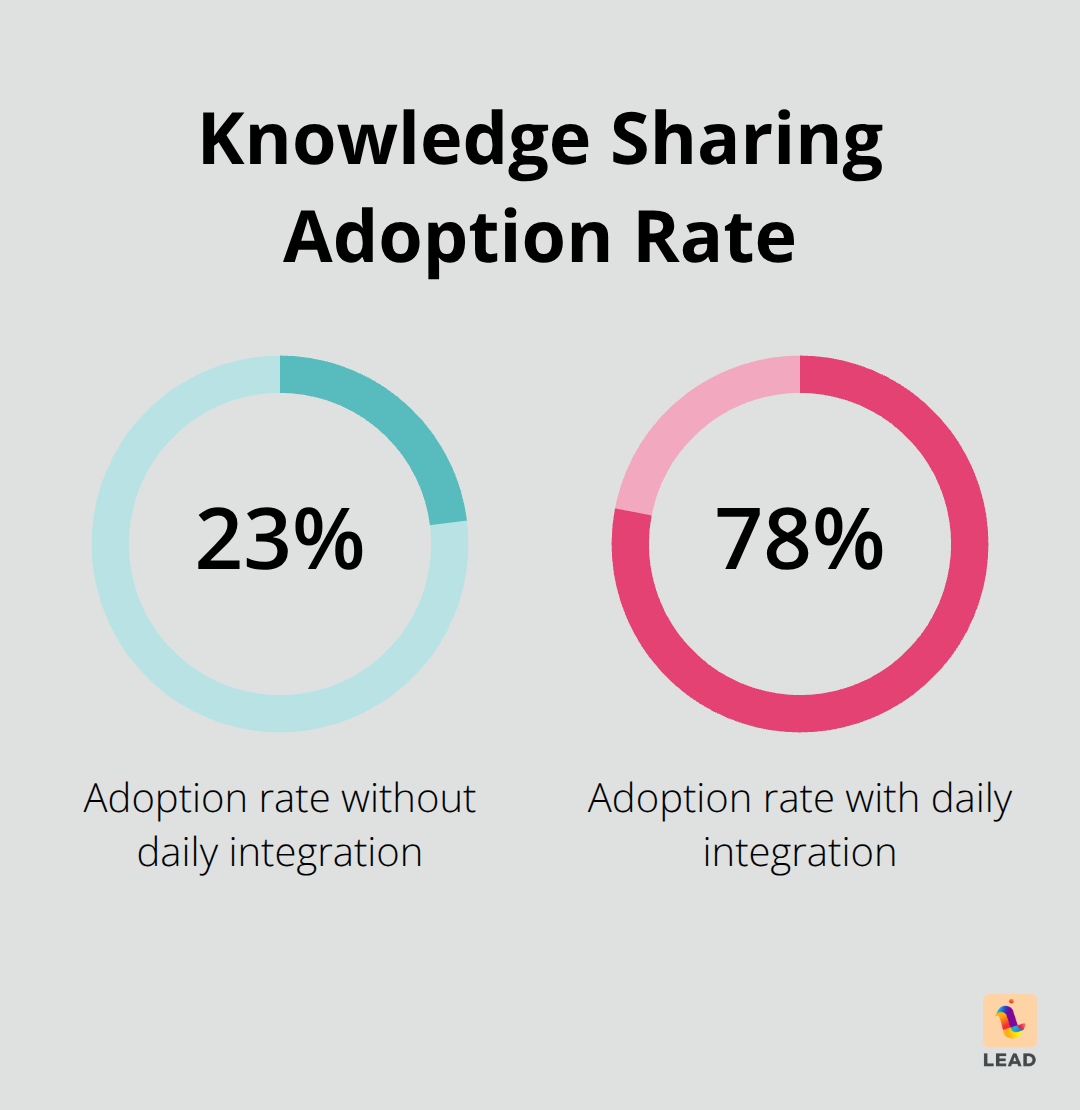
Crystal-clear expectations mean weaving knowledge sharing into job descriptions and performance scorecards. Take Atlassian-they ensure every employee shakes up their internal wiki monthly and gets into quarterly knowledge jam sessions. Be specific-sales has to jot down client objection smashes, engineering scribbles debugging odysseys, and customer service logs solution rhythm. When knowledge sharing is baked into everyday work instead of tagged as extra toil, Deloitte shows adoption jumps from a puny 23% to a whopping 78%.
Create Knowledge Exchange Moments
Regular cross-functional huddles beat random coffee klatches hands down. Plan solid 30-minute weekly mind-melds where departments spill on recent bumps and breakthroughs. Finance unveils budget-wizardry, marketing spills the beans on successful campaigns, operations shares its process hacks. These huddles aren’t just gabfests-they generate crystal-clear value. Folks report problem-solving speeds up by 40% when they latch onto documented group smarts-no more reinventing the wheel.
Map Your Knowledge Networks
Organizations usually stumble blind to their actual knowledge flows (newsflash: they don’t follow the org chart). Tools that comb through communication webs expose who really has the goods and where knowledge jams occur. This red-pill awareness turns team collaboration upside down and lays the groundwork for snagging the right tech to back these innate knowledge highways.
What Technology Actually Moves Knowledge Forward
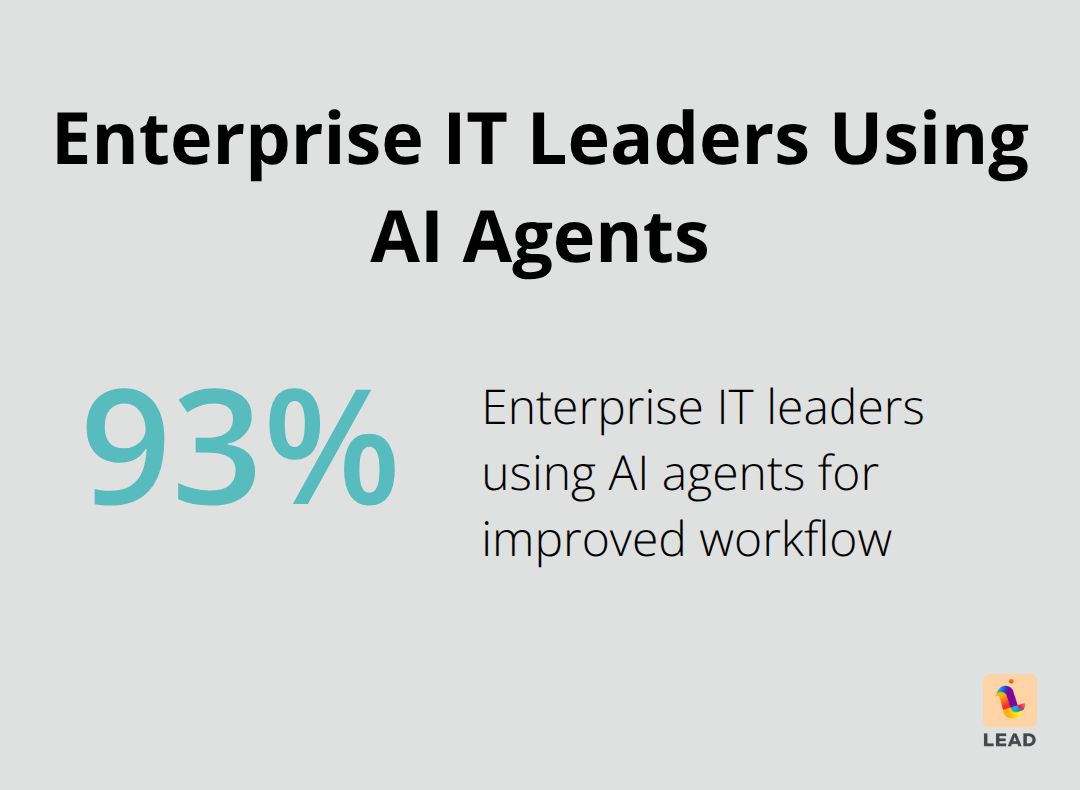
Here’s the deal-your tech stack is the gatekeeper of knowledge collaboration, no ifs or buts. Companies hemorrhage time wrestling with platforms that just don’t mesh with their workflows. Enter Microsoft Teams and SharePoint-sales teams drop client insights into project channels… seamlessly. Then you have Slack playing nice with Confluence so engineers can grab documentation on the fly. The magic? Knowledge capture that’s practically invisible-teams sharing info as naturally as breathing, not just a chore on their to-do list. Research shows 93% of enterprise IT leaders are dancing with AI agents for better workflow mojo.
Find Your Hidden Experts Fast
Think of social networking features as your organization’s very own brain GPS. Workplace by Meta tags employees on real contributions, not some dusty job title. Someone dives deep into API issues? The system earmarks them as the go-to guru. Microsoft Viva Topics? It’s like an AI bloodhound sniffing through emails and docs, spotlighting the real subject matter experts. Forget shoulder taps-intelligent tagging systems speed up the expert-finding mission, and IBM Research is crafting some serious juju with their Apache Hadoop tech.
Track What Actually Works
Analytics are the lie detectors of the knowledge-sharing game. Confluence shows which pages aren’t just window dressing but tools in the decision-making arsenal. Notion tracks reuse through template duplication-proof of life beyond consumption. Google Workspace? It takes a magnifying glass to document teamwork via co-editing data. Organizations see bottlenecks clearer than ever. Deloitte even figured out their legal team was playing Groundhog Day with contract templates until analytics pointed to the real jackpot location, chopping redundant work by a cool 45%.
Map Your Knowledge Networks
Organizations often wander around with a blindfold on concerning their true knowledge highways-org charts are a mirage. Tools analyzing communication threads unveil who’s hoarding the goods and where knowledge jams are happening. LEAD.bot’s organizational network analysis zeroes in on experts, maps influence, and spots those sneaky collaboration voids that traditional org charts ignore. This clarity powers up team collaboration and paves the way for smarter tech decisions aligned with how knowledge really flows.
A solid tech foundation lays the groundwork, but tearing down those pesky knowledge silos? That takes sharp strategies, not just rolling out more software.
How Do You Actually Break Knowledge Silos
Alright-so here’s the thing. Most companies tackle knowledge silos with the wrong tools-more meetings, shiny new software, or those fancy org charts that nobody even remembers. The real action? Happens in the network-folks! It’s all about those informal connections that tell you how information actually moves. Research shows that workplace learning is mostly through informal interactions, not those boring training sessions.
Map Communication Patterns First
Organizations that actually map these invisible networks-yeah, they spot knowledge logjams way quicker than those relying on org charts. Start with analyzing communication patterns to find those teams operating in silos. Look for departments with less than 15% cross-functional interaction-those are your silo hotspots, my friends. Spot ’em, and targeted interventions beat company-wide initiatives every time. LEAD.bot’s organizational network analysis? Well, it unveils these hidden paths, maps influence, and finds collaboration gaps that traditional org charts just don’t see.
Turn Projects Into Knowledge Highways
Now, onto cross-functional project teams-they smash silos faster than any policy memo could dream of. Amazon? They throw engineers from different areas into six-month rotation projects, forcing knowledge to spread across separated units. The trick? Make these teams temporary but intense-90-day sprints with clear goals needing input from different departments.
Sales need tech insights for their pitches, marketing needs the lowdown from customer service for campaigns, operations needs finance numbers to optimize processes. Companies using this rotation method solve problems faster because teams stop creating solutions that already exist.
Schedule Knowledge Collisions
Regular knowledge exchange sessions trump those random coffee chats every time. Schedule monthly 45-minute sessions where departments show off their biggest wins and stumbles to others. Finance shows budgeting magic, engineering unveils fresh debugging tricks, customer service spills the beans on common complaints.
Make these sessions compulsory-no voluntary business that fizzles out in three months. Tie ’em to performance reviews. Deloitte says structured knowledge sharing bumps up cross-departmental teamwork compared to informal networking gigs. The setup matters: 15 minutes to present, 20 for Q&A, and 10 for follow-ups. Keep tabs on which insights get picked up across departments to prove their value and keep the energy going.
Final Thoughts
Alright, let’s dive in. You know what separates the winners from the losers in the corporate arena? Knowledge management collaboration. It’s like the secret sauce. Companies that come out on top focus on three major things: first, creating an environment where people feel safe to speak their minds-no judgment, just open exchange. Second, they’re all about tech that fits seamlessly into what teams are already doing-no more square pegs in round holes. And third, they break down those pesky silos with cross-functional projects-get gearheads talking to the creatives-and voila, structure those exchanges. The payoff? Off the charts. We’re talking 40% faster problem-solving, 78% spike in adoption rates, and slashing redundant work right and left.
It all begins with getting those knowledge networks mapped out. Know your flow. Identify where things move like a river and where they’re stuck in the mud. Create systems that celebrate real-deal contributions, not just the “I showed up” crowd. Make it a habit to have regular meet-ups across departments where teams can lay out their wins and wipeouts (you’d be surprised at the magic these sessions can whip up when everyone’s all in). And, crucially, weave knowledge sharing into the daily grind-make it part of the process, not just an extra chore.
Enter LEAD.bot, your trusty sidekick. It maps organizational networks, shining a spotlight on your hidden in-house geniuses, and pumps up knowledge exchange through casual virtual coffee catch-ups and those nifty pulse surveys. This people-centric strategy is your golden ticket to AI readiness because nailing AI isn’t just about having the latest tech. It’s about building those rock-solid human knowledge networks. That, my friends, is the bedrock for everything else that comes next.