
Hiring new employees is an exciting and challenging step for businesses. New hires can bring in tons of fresh ideas, and help businesses grow if they have proper support from their colleagues and company. While the new hires are generally excited to get started in their new roles, if the onboarding process goes wrong, you might just have added another person who contributes to your overhead rather than your revenue.
As employees become comfortable in their new roles, this new hire honeymoon period can come to an end. Workers quickly adjust to their new roles and settle in, and this can cause them to remove their rose-colored lenses and passion for the company. In fact, up to 20% of new hires quit within 45 days of being hired. Who knows what percentage is staying on the job without achieving the original expectations?
The key to reducing employee turnover and increasing production is a well-thought-out employee onboarding process.
The onboarding process is your only chance to make a first impression on new hires, and how your program unfolds will impact employee retention in your company. Even if you currently have an onboarding program in place, it might not match the expectations of new hires in increasingly remote or hybrid work cultures.
Below are some tips to help you implement or update an onboarding program that helps you retain new hires.
Tip #1: LEAD.bot Your Onboarding Program With Company Culture
Your company culture may shine through at your office, but remote workers might miss out on some of your business’s best features.
When structuring the remote onboarding process, make sure to lead with your company culture. Begin by sending the new hires a copy of your company’s mission statement and values, and make these subjects a focus of the onboarding process. Employees want to work for a company that shares the same values – a sometimes overlooked part of company culture.
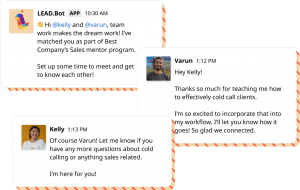
Next, think about other parts of your company culture and find ways to tie them into your new hire’s first day on the job. For example, HR managers can build a good buddy program or mentorship program, or peer mentorship, that matches the new hire with an orientation mentor or experienced teammates as their buddy for their first few months at your company. This matching will create a sense of belongings for new hires and make them feel welcome.

Tip #2: Consider A Longer Onboarding Process
Onboarding doesn’t end after one day, one week, or even one month. Because it can take new employees up to eight months to start producing at their peak levels, you may want to consider an onboarding process that lasts 2-3 months, and having an onboarding checklist will make the process easier.
Of course, you don’t want to inundate new hires with a plurality of check-ins every week. Instead, gradually taper off any onboarding or orientation meetings, then complete the process with a final check-in after the employee’s first three months are over.
Make the remote onboarding experience more interesting by virtually introducing your new employees to coworkers across the company. Existing employees should help your new hires get a better understanding of your company culture.
Throughout the first three months, encourage new hires to take notes and come up with questions for any hiring managers or orientation mentors. Not only is this feedback useful for future onboarding, but it helps the employee feel valued in their new role early on.

Tip #3: Start Employee Onboarding Before New Hires Start
Once you know that a new remote employee is joining the team, there’s no need to wait for the first day to start the onboarding process.
Make a care package filled with company swag and have it sent to your new employees’ homes before their first day of work. Everybody loves a surprise, and this gift shows that you’re excited to have them join the team and contribute to a successful onboarding process.
By day one, the new hires should have their first two weeks entirely planned out for them. This first two-week period should consist of:
• Meet-ups with the new hire’s orientation mentor/buddy.
• Meetings with the hiring manager for check-ins.
• Windows where the new hire can get acclimated to their new position.
• Dedicated time for the new hire to gather their thoughts and do some independent research.
• Get-togethers for a virtual coffee meet-up with workers from departments.
Make sure that any material the new hire might need – from documents to a company directory – is always available.
Tip #4: Embrace Your Remote Workspace
Many workplaces over the past decade have already implemented more remote-friendly policies, and the recent pandemic has accelerated these trends.
However, the difficulties that arise with having a remote workforce aren’t an excuse for not giving new hires the attention and direction they need.
Your remote workers deserve as much attention and dedication as your in-office workers. Leaders need to provide remote workers with everything they need to do their job effectively, including a computer, desk, second screen, mouse, keyboard, and any other materials related to their role.
Consider making an effort to implement parts of the onboarding process specific to remote workers, too. While in-office new hires might get lunch covered by their team, remote workers can instead get a gift card for a food delivery voucher.
People Operation solutions like LEAD.app help your virtual onboarding succeed by introducing new hires to mentors or experienced coworkers, whoever they need, right on Slack or Microsoft Teams.
Tip #5: Do Everything You Can To Make New Hires Comfortable
The onboarding process shouldn’t be strenuous for you or new hires. By making all new employees comfortable, you can increase your chances of retaining them longer. When employees are happy and comfortable, they tend to be more efficient at work and stay with the company longer, which increases employee retention.
What makes a new hire feel comfortable varies from person to person. One new employee may prefer daily check-ins while another may want to dive right into work. Be willing to adjust the onboarding process as necessary.
Keep in mind that while creating and implementing a robust onboarding process is a lot of work, so is finding new talent in a highly competitive atmosphere. Taking the time to do onboarding right can save you a lot more time and energy down the road.