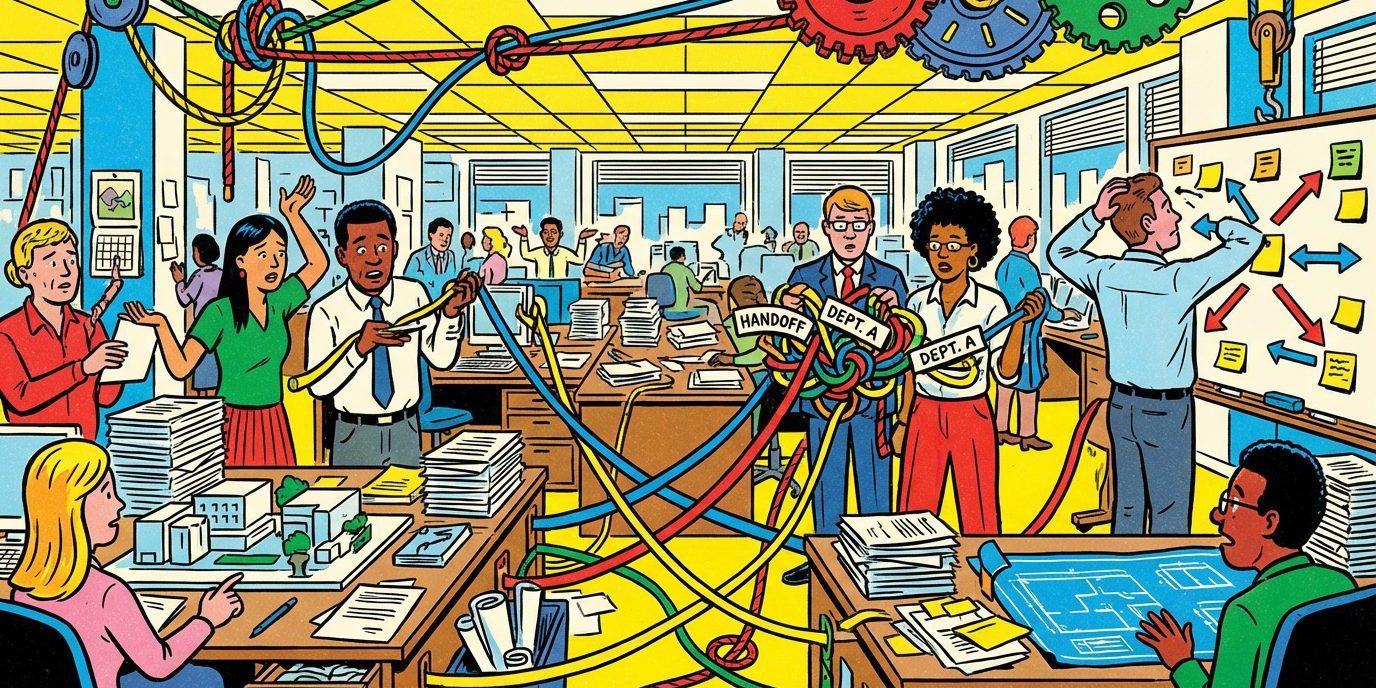
Network organizational structures… the new darling of boardrooms everywhere, right? They’re all the rage for their alleged flexibility and adaptability in the cutthroat world we call business. But — wait for it — they’re not all sunshine and rainbows. Like everything else, there are strings attached that could trip you up if you’re not careful.
Over at LEAD.bot, we’ve seen firsthand that while network structures can dish out a buffet of benefits, they’re not without some seriously spicy drawbacks. Yeah, we’re talking about stuff that can mess with your operational mojo and even the big O — organizational stability. So, here’s the deal: this post delves into the gritty details of the downsides of network organizational structures. Consider it your friendly cautionary tale before you dive headfirst into the latest business fad.
Who’s Really in Charge? The Control Conundrum
Network organizational structures-promising flexibility but often serving up chaos. Companies grapple with the lack of centralized control inherent in these models. It’s akin to herding cats-everyone’s darting in different directions, and nobody’s really sure who’s holding the reins.
The Coordination Nightmare
Coordinating a network is… a nightmare. This misalignment? Leads to resources swirling down the drain, deadlines whizzing by unmet, and teams dripping with frustration.
Some outfits pivot to advanced project management tools to tackle this chaos. But remember, even these tools are only as sharp as the folks wielding them. Without clear-cut leadership, even top-tier software can’t sidestep the chaos.

Standards Slip Through the Cracks
Holding onto consistent standards in a network? Like trying to nail jelly to a wall. Every node crafts its own style, spitting out inconsistencies in quality, processes, and results.
This inconsistency? A brand-killer, gnawing away at reputation and customer trust (a gamble no company should take).
Priority Battles
In a network setup, conflicting priorities are the norm, not the exception. Different teams, clashing goals-resulting in internal squabbles and scuffles over resources.
These turf wars can freeze decision-making and slam the brakes on progress (often when speed’s of the essence).
The Leadership Vacuum
Perhaps the elephant in the room: the leadership vacuum festering in network structures. Without well-defined hierarchies, nurturing future leaders becomes an uphill climb.
This leadership chasm? A ticking time bomb for an organization’s future and stability.
While tools like organizational network analysis can spotlight informal leaders and collaboration paths, don’t forget-tech alone won’t untangle the core knots of control and coordination in network setups.
Next on the chopping block, we’ll untangle another gnarly challenge in network structures: the tangled web of communication issues unraveling as traditional hierarchies crumble.
Communication Chaos: The Hidden Pitfall of Network Structures
Network structures boast flexibility – sounds great, right? But often, they deliver… drumroll… a communication debacle. The old-school top-down info flow? Gone. Instead, you’ve got a tangled mess of interactions that leave even the pros scratching their heads.
Information Avalanche
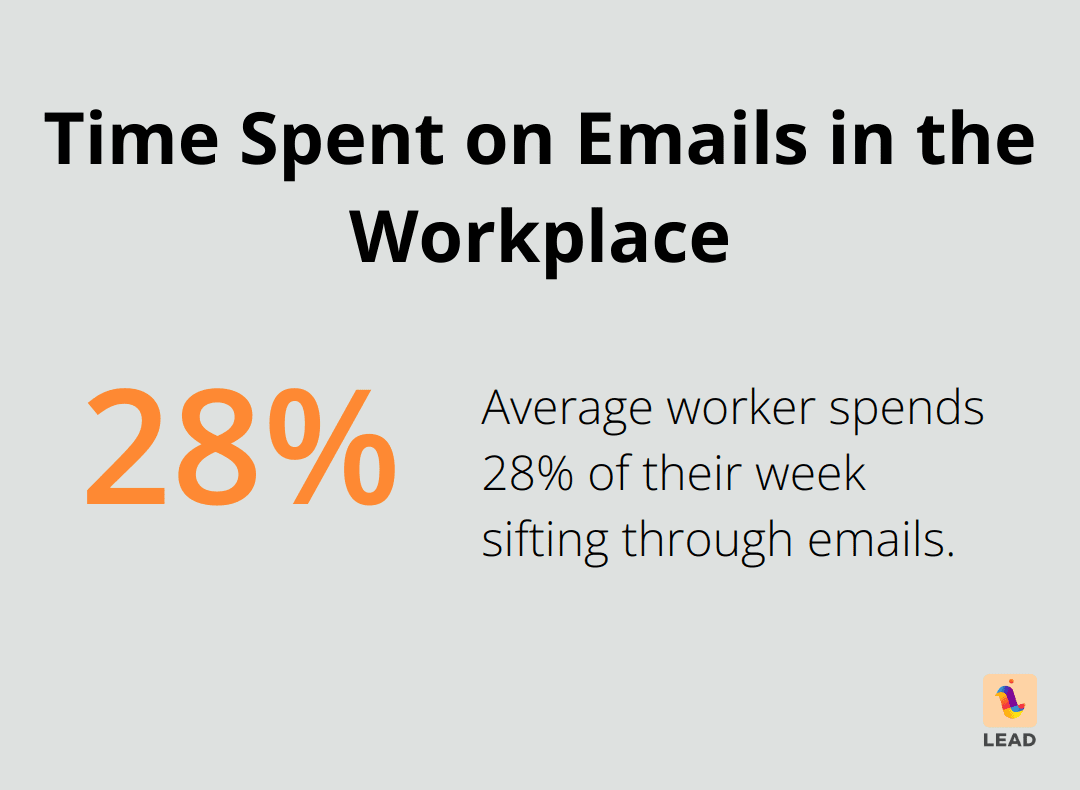
Picture this: messages whizzing everywhere, inboxes bursting at the seams, chat pings non-stop. Yep, welcome to a day in the life of network organizations. According to a McKinsey study, your average worker spends 28% of their week sifting through emails. In network setups, that figure? Shoots through the roof.
Lost in the Noise
So many moving parts – and guess what? Critical info often gets swallowed up in the chaos. Bad communication can blow up into epic fails at work, which recent studies on workplace communication love to point out.
The Tech Solution Mirage
Cue companies pouring cash into shiny new communication tools, thinking they’ve got it all figured out. (Newsflash: they don’t.) These tools can actually make things worse. Employees juggle too many platforms, leading to “communication fatigue” – yep, we’ve seen it at LEAD.bot.
The Price of Staying Connected
Effective communication in network setups? Drains time and cash. Atlassian says firms shell out about $1,200 per employee yearly on communication tools. And the ROI? Often looks pretty questionable.
Bridging the Gap
Sure, network structures whip up communication conundrums, but there are ways out. Tools like LEAD.bot roll out features like Sync-Ups to get those vital chats happening regularly and without a hitch. (Just remember, tech isn’t the magic wand for all communication woes.)
So, communication chaos in network structures – not just a minor hassle. It hits productivity, decision-making, and the whole organization’s mojo. Next up, we’ll dig into how this communication breakdown feeds into another major snag of network setups: increased dependency and vulnerability.
The Hidden Risks of Network Dependency
Buckle up folks, because network organizational structures are a double-edged sword. Sure, they give companies the illusion of flexibility, but underneath lies a tangled web of dependencies that could take down your entire operation quicker than a GameStop short squeeze. It’s like building a house of cards and hoping there’s no draft.
The Outsourcing Trap
Here’s the scoop: when companies get cozy with network structures, they start outsourcing like it’s Black Friday. Yeah, it might seem like a smart move at first-letting others handle the heavy lifting. But soon, you’re knee-deep in dependencies that could implode spectacularly. Remember the 2021 Suez Canal fiasco? A single ship gets stuck, and suddenly the whole world’s supply chain is playing Twister. It’s a classic example of how this house of cards can crumble when you’re hit where it hurts most.
When Partners Fail, You Fail
Friendship is great until your partner drops the ball. Take Thomas Cook in 2019-a travel titan with nearly two centuries under its belt. All it took was a funding hiccup with key partners, and boom-600,000 travelers left wandering airport lounges and hotels scrambling like squirrels in traffic. So what’s the insurance policy here? It’s contingency plans, people. You’ve got to have a game plan for when things go sideways. Organizational network analysis is your friend-it shines a light on those weak links in your network, giving you the foresight to fortify your defenses and keep your business shipshape.
Identity Crisis in the Network
Here’s a conundrum-keeping your company’s culture intact when your employees are scattered like confetti. A nifty little stat from PwC says 72% of CEOs count on culture as their secret sauce. But when your workforce is dialed into partners spread across the globe, maintaining a consistent vibe is tougher than herding cats.
Look at Zappos-they traded in their old organizational chart for a holacracy, and it felt like trying to catch smoke. The result? Confusion, productivity dips, and an exodus of talent who didn’t know which way was up.
Combating Cultural Disconnect
The secret sauce for cultural alignment? Regular check-ins and those nifty pulse surveys. They keep your company’s heart beating in rhythm across all corners of your network, ensuring your values don’t end up adrift like Tom Hanks in Cast Away.
Navigating the Network Maze
Now, here’s the million-dollar question: how do you enjoy the flexibility of network structures without tripping over your own feet? Vigilance, my friends. Proactively manage those connections, invest in the right tools, and always keep an eye on your organizational compass. (Because, let’s face it, a well-oiled network-if steered right-can still be a golden goose on this turbulent sea of commerce.)
Final Thoughts
Network organizational structures-fancy for “let’s all do our own thing but sort of together”-offer flexibility, yet come with significant… headaches. Companies have to juggle this delicate balance between what seems like a free-for-all and chaos management 101. The absence of centralized control, those epic communication mishaps, and the skyrocketing dependency on partners you’re not sure you even like… can quickly outweigh any perks like quick pivots and shiny new innovations.
If you’re even thinking about flirting with a network structure, better have some solid systems in place to sidestep the landmines. That’s where tools like LEAD.bot step up, closing those communication chasms and helping folks actually talk to each other-virtually at least. With virtual coffee hangs, Sync-Ups, and Check-Ins on tap, LEAD.bot becomes your guru for making this network setup not just work, but thrive.
Nailing a network organizational structure hinges on clever execution and constant TLC. It’s a delicate dance of autonomy and harmony, flexibility and routine. Dive in, but go loaded up with the right gadgets, savvy processes, and kick-ass cultural vibes to make it click (and avoid the inevitable headaches).