
Hybrid Team Connection: How to Build Real Trust at Work
Hybrid team connection does not come back on its own once hallway chats, lunch run-ins, and quick desk-side introductions disappear. If you want people to trust each other across locations, you need recurring, structured ways for them to meet, learn who to ask for help, and build familiarity before collaboration gets stuck. That is the real work of connection in a hybrid company.
Many teams respond to hybrid friction with more meetings or another survey. The problem is not a lack of calendar invites. It is that people stop discovering the right coworkers naturally. New hires do not know who is generous with context. Managers do not see which teams rarely interact. Cross-functional work slows down because people are still strangers when the project starts.
What hybrid teams lose when informal moments disappear
In an office, people build a surprising amount of trust through small repeated moments. Someone helps you after a meeting. You overhear who owns a process. You meet a teammate from another function while waiting for coffee. None of that looks strategic in the moment, but it creates an informal network that makes work easier later.
Hybrid work weakens that network. The people you already know stay visible, while everyone else fades into the background. That makes collaboration narrower, onboarding slower, and belonging harder to build. The issue is not just culture in the abstract. It is access. When employees cannot easily find the right peer, mentor, or partner, they hesitate longer and work around the gap.
This is why hybrid team connection should be treated as operating infrastructure, not a feel-good extra. You are rebuilding the social pathways that help work move.
Why structured introductions work better than one-off events
One happy hour or offsite can create energy, but it rarely creates durable connection across a distributed company. What works better is a repeatable system: regular introductions, cross-team pairings, mentorship matches, onboarding buddies, and lightweight rituals that keep new relationships forming over time.
A strong system does three things. First, it lowers the effort required to meet someone new. Second, it creates enough repetition that trust can compound. Third, it gives HR and team leads a way to support connection without manually coordinating every detail.
That is why many teams combine recurring introductions with simple programs like a virtual coffee chat workflow or a shared virtual watercooler ritual. These formats work because they create a reason to connect, not just permission to do it someday.

The role of behavioral matching in stronger team connection
Not every introduction creates momentum. Random pairing can be useful, but hybrid team connection gets stronger when matching reflects how people actually work. A new manager may need someone known for cross-functional coordination. A recent hire may benefit from a peer who explains unwritten norms well. A specialist may need exposure to adjacent teams rather than another conversation inside their own function.
This is where behavioral matching matters. Instead of treating every employee as interchangeable, you can design introductions around collaboration style, role context, team distance, and program goals. The result is not just more meetings. It is better-fit conversations that are more likely to turn into ongoing trust, faster answers, and broader internal visibility.
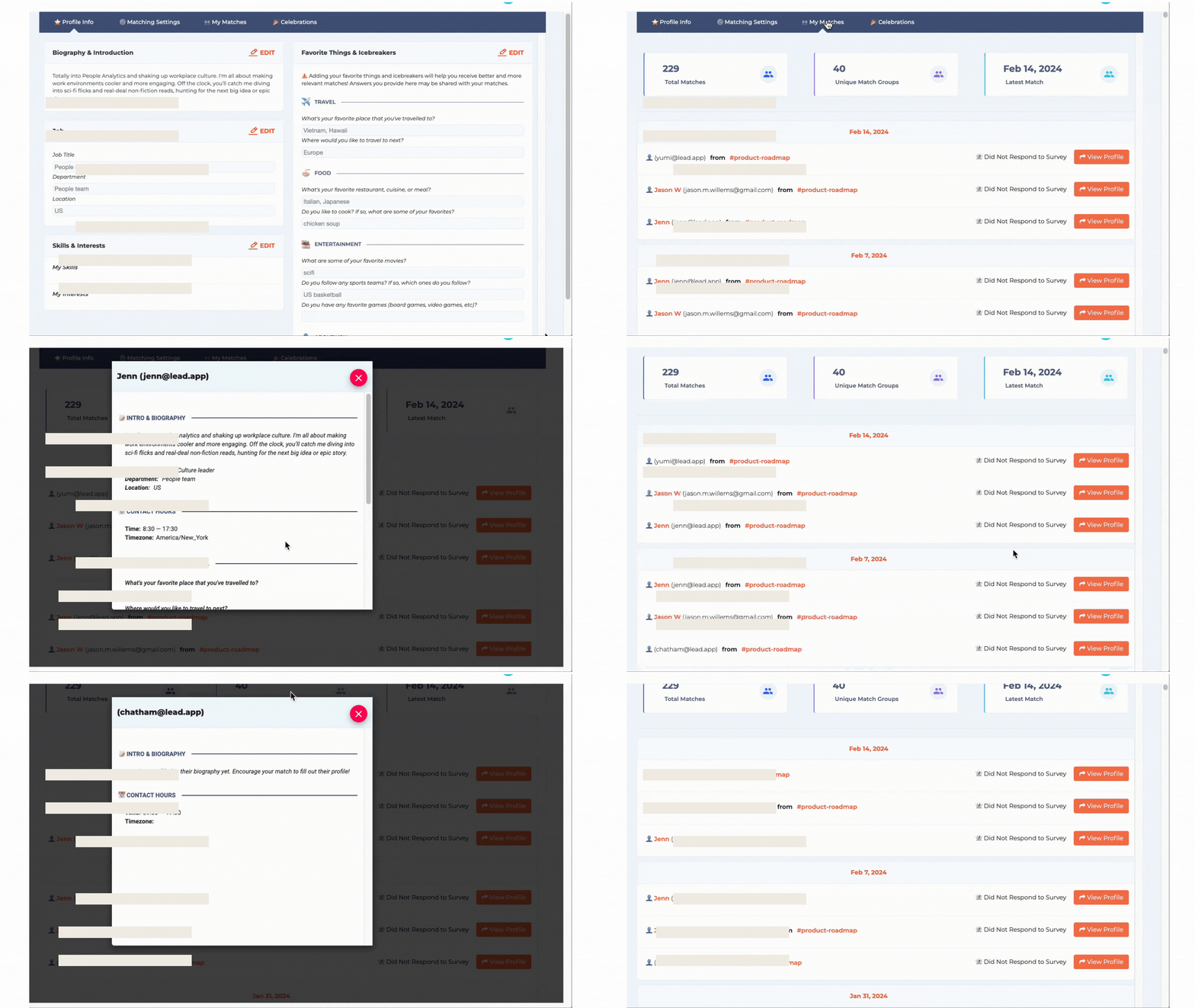
LEAD.bot helps teams run those programs inside Slack and Teams, so you can support recurring introductions without building another manual spreadsheet process. If you are trying to scale an employee connection program for Slack and Teams, the matching logic matters as much as the invitation itself.
Programs that help hybrid teams build trust over time
You do not need ten programs to improve connection. You need two or three that run consistently enough to become part of how your company works. Most teams see the best results from a mix like this:
- Onboarding introductions: help new hires meet peers outside their immediate manager chain in the first weeks.
- Cross-functional pairings: connect people from teams that depend on each other but rarely interact informally.
- Mentorship or buddy programs: give employees a familiar contact for context, growth, and informal advice.
- Recurring culture rituals: create a steady rhythm that keeps fresh relationships forming instead of relying on one-off events.
The common thread is consistency. Trust rarely appears because one program looked good in a kickoff deck. It grows when people expect useful introductions to keep happening.
How HR can launch a low-lift connection system
Start small. Pick one connection problem you can describe clearly: new hires lack cross-team visibility, remote managers feel isolated, or product and customer teams do not know each other well enough. Then choose one recurring program tied to that problem and define what a good match looks like.
Keep the launch operationally light. Decide the audience, frequency, matching criteria, intro format, and follow-up prompt. Measure participation, repeat opt-ins, and whether people report finding a useful contact faster. Those signals tell you more than a broad engagement score alone.
Most important, do not wait for employees to self-organize at scale. Hybrid team connection improves when the company creates the conditions for the right relationships to form. That is what makes connection durable instead of aspirational.
If you want to build stronger trust across Slack or Microsoft Teams, explore how LEAD.bot helps teams run structured introductions, mentorship, and employee connection programs without heavy admin work.