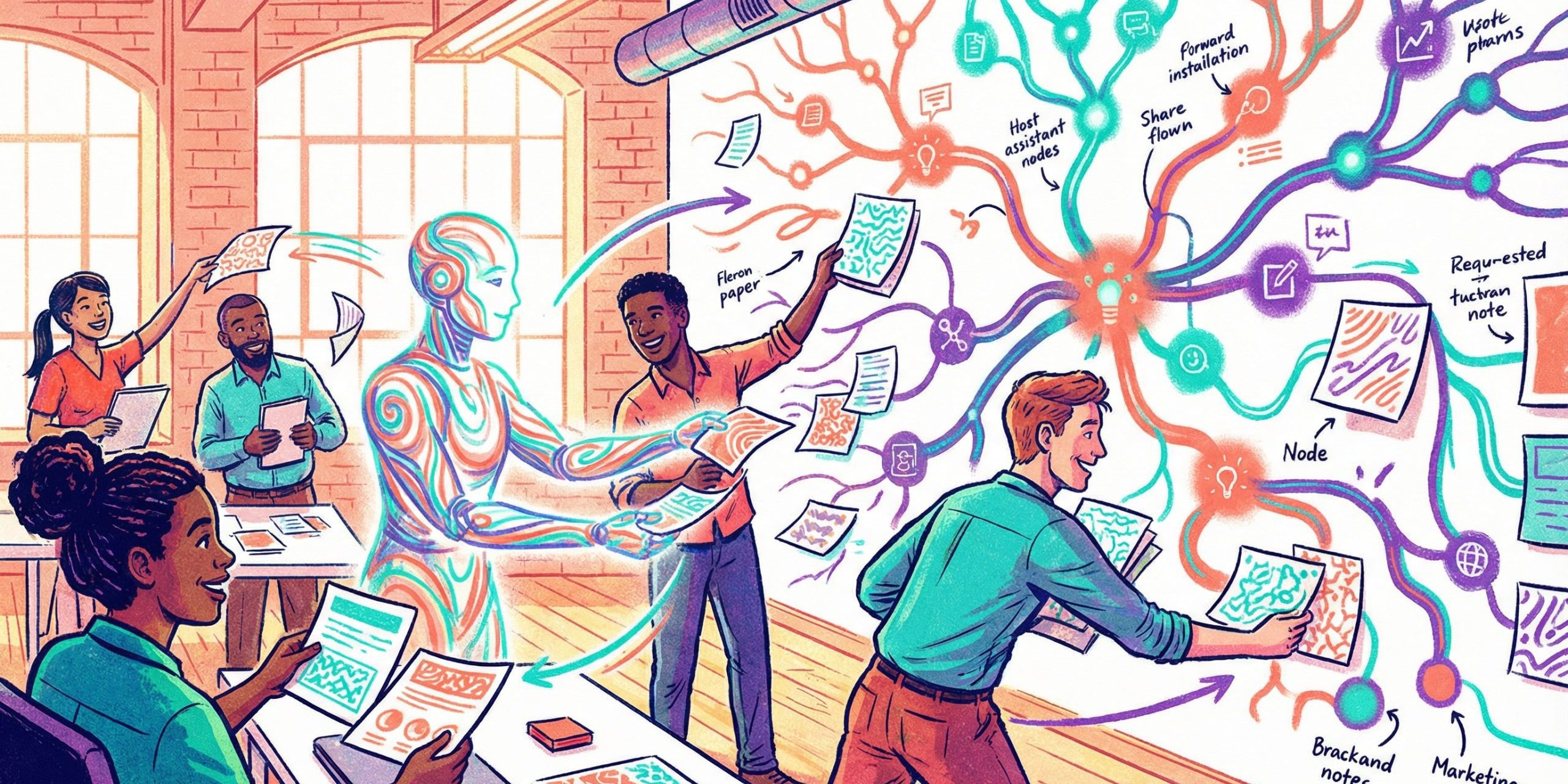
Teams are losing time to scattered docs, duplicate work, and AI tools pulling from stale information. This guide on How to Leverage AI for Knowledge Management focuses on the practical systems, choices, and habits that make knowledge more usable. Today’s challenge is turning knowledge into something people can actually find and use across fast-moving teams.
Enter AI-powered knowledge management—cue the dramatic music. Over at LEAD.bot, we witness companies slashing information retrieval time by a jaw-dropping 75%… and turbocharging decision-making speed at the same time.
This tech is revolutionizing the way teams get to grips with, parse, and leverage organizational knowledge across the board.
Current State of AI in Knowledge Management
AI-Powered Search Transforms Information Access
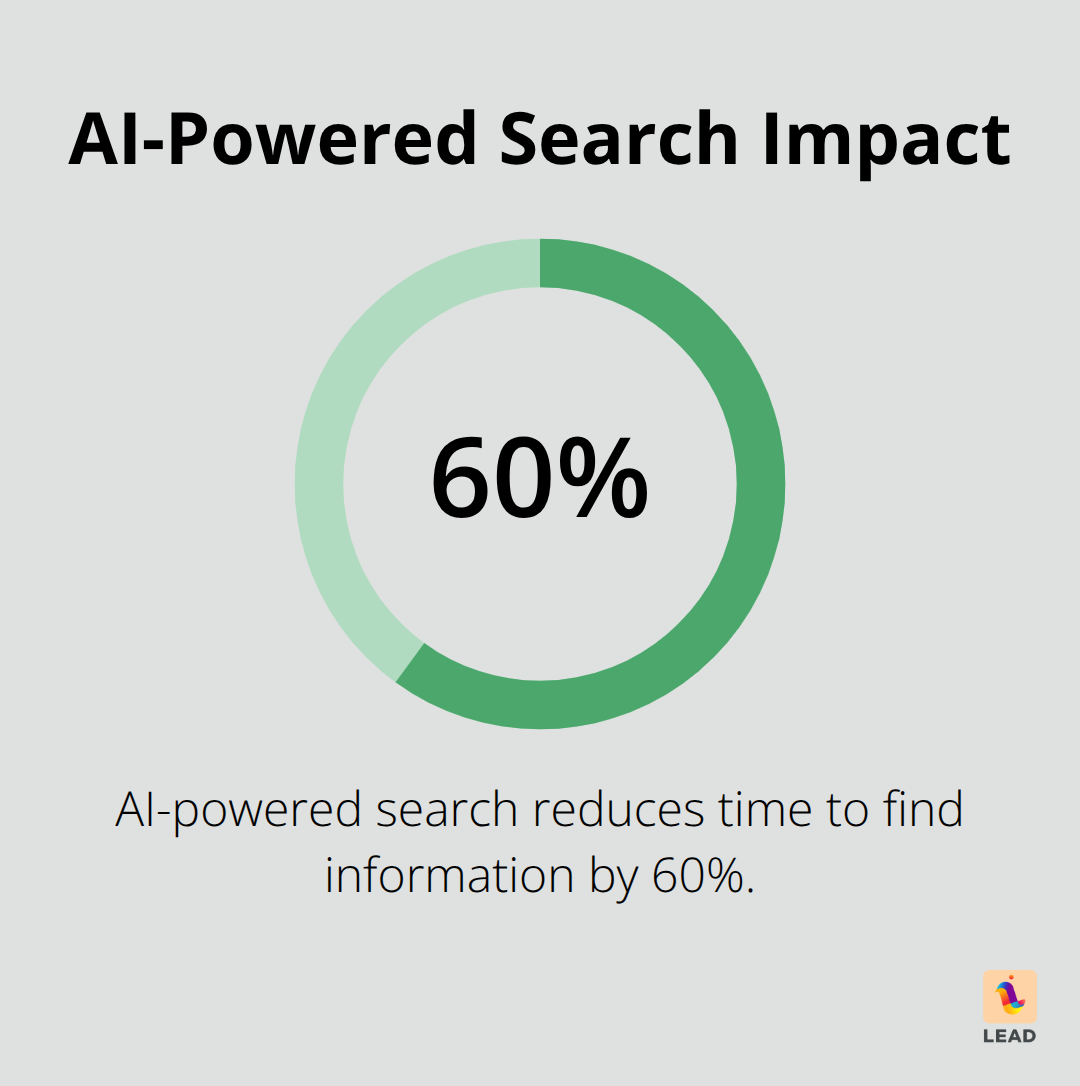
AI, folks, is turning knowledge management from your grandpa’s filing cabinet horror into this ultra-smart system. For companies diving into AI-powered search, there’s a whopping 60% reduction in the time it takes to find info. Like, productivity doesn’t just improve-it takes off. The trick? Natural language processing meets machine learning. Type a question like you’re texting a buddy, and the system just gets it-context, intention, nuance all included.
Natural Language Processing Breaks Down Communication Barriers
Today’s AI systems are all about understanding human language with crazy precision. Thanks to natural language processing, employees can chuck complex questions out there in plain English-no more keyword scavenger hunts. This tech deep dives into sentence structure, picks out concept relationships, and nails the meaning from context (even if you’re throwing curveball phrasings). Goodbye to the old-school search that needed a degree in specific terminology.
Machine Learning Identifies Hidden Knowledge Patterns
Smart businesses are juggling three bombshell AI capabilities at once. Semantic search engines use massive language models to crack open queries-not just skim for keywords. These engines pull up the right docs even when the search terms are having an off day. With computer vision, it’s scanning PDFs, images, and docs in warp speed-and nailing their analysis. Then you have predictive analytics-those bad boys analyze usage patterns to sniff out knowledge gaps before they bog you down.
Look-it’s clear: companies that finesse AI for knowledge management see their knowledge retrieval outperform traditional methods handily. Integration is the secret sauce here-these AI tools just rock when they data-share and cross-pollinate insights through enhanced collaboration.
This groundwork is setting up a springboard for crazier AI tech to take knowledge management to the next frontier.
Key AI Technologies for Knowledge Management
Large Language Models Transform Enterprise Knowledge Access
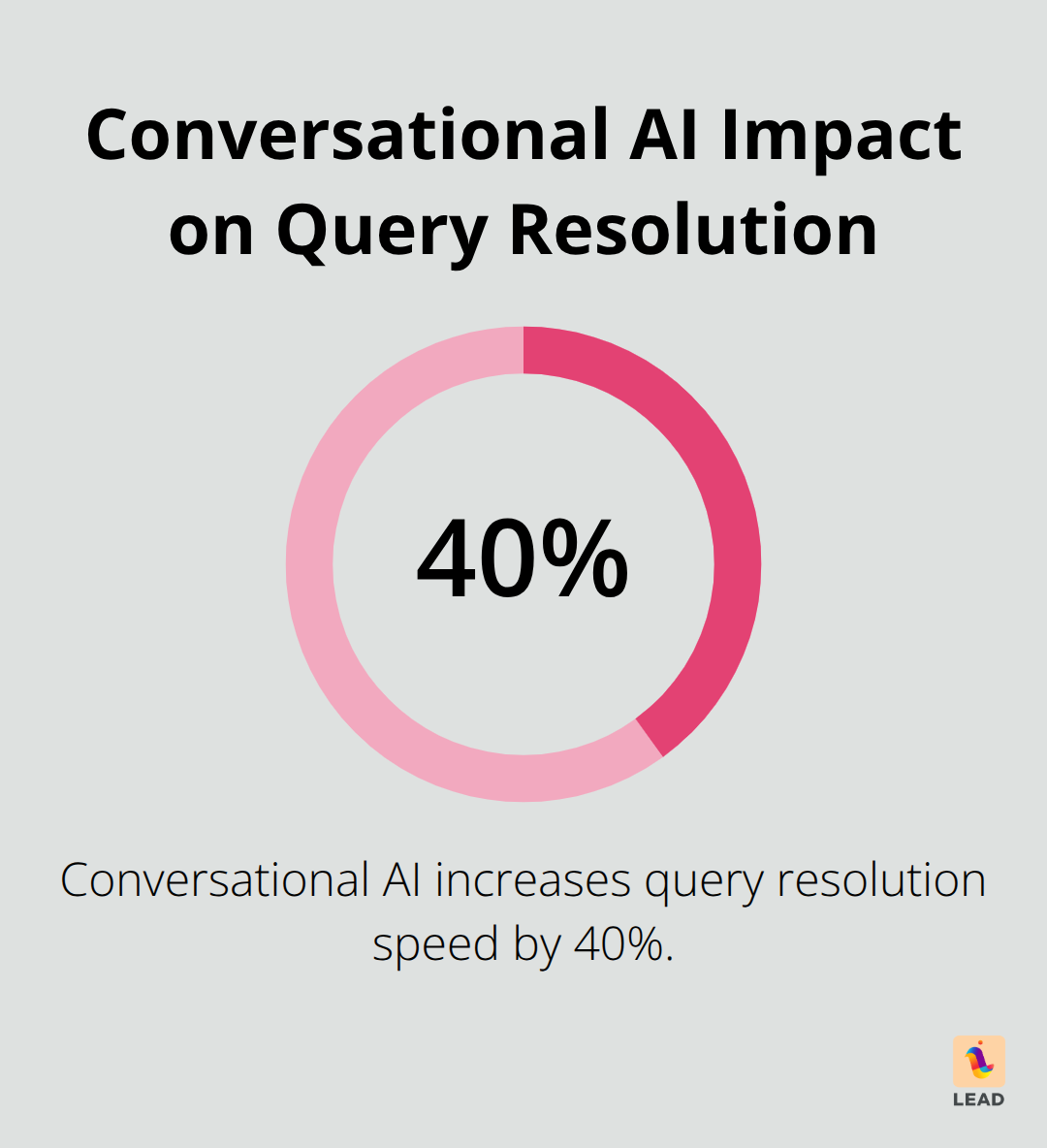
Whoa, large language models are flipping the script on how companies deal with knowledge. Think GPT-4 and the like-these beasts can chew through millions of documents at once, picking up context even if it’s from Pluto or something. Picture this: Companies using conversational AI see query resolution speeds soar by 40% (thank you, IBM research). These models shine at whipping up complex document summaries and transforming tech babble across departments without missing a beat. Here’s the kicker: mix and match different language models-one for tech docs, another for customer chats, and a third for all that pesky regulatory stuff. Boom-response times slashed from hours to seconds with a whopping 85% accuracy or more.
Computer Vision Accelerates Document Processing Speed
So, let’s talk computer vision-it’s the sidekick that grabs the visual content traditional text systems just kinda shrug at. Optical character recognition now deciphers scribbles, tech diagrams, and multilingual docs like it’s nothing. Manufacturing? They’re scanning maintenance logs like TikTok feeds, spotting equipment failures that’d take humans ages. And those financial folks? Zipping through regulatory docs 60 times faster (gotta love you, Deloitte research). Yeah, it sees tables, charts, even annotations in PDFs and turns them into searchable treasure troves. Smart cookies pair computer vision with natural language processing, crafting document symphonies of understanding.
Predictive Analytics Prevents Knowledge Bottlenecks
Cue predictive analytics, the crystal ball for knowledge gaps before they mess things up. Machine learning steps in, reads search patterns, document access trails, collaboration nuts and bolts-predicts where info shortfalls will pop. McKinsey says it cuts project delays by a neat 35%. These systems flag experts buried under questions, topics that spawn confusion galore, and departments low on crucial intel. It’s like having analytics whisper in your ear when key folks become chokepoints. The crème de la crème blend usage analytics with organizational network analysis, crafting early alerts for looming knowledge pitfalls.
But hey, these tech wonders truly sing when organizations lay down the right groundwork and buckle up their teams for the change ride.
How Do You Actually Deploy AI Knowledge Management
Fix Your Data Foundation First
Let’s cut to the chase-too many firms dive headfirst into AI without cleaning up their data chaos. Spoiler: that’s a recipe for disaster. According to Gartner, 45% of organizations with solid data foundations and high AI maturity keep projects running smoothly for at least three years. It’s like building a house-you don’t start with the roof. Data quality audits are your new best friends; purge duplicate files, standardize everything, and tag content like a pro. Your AI’s performance is only as good as the fuel you give it.
Structured metadata? Huge win. Companies with it enjoy 40% better search accuracy compared to their chaotic counterparts. Get your data governance game on-figure out who owns what, map out updates. This groundwork? It’s the make-or-break that will determine if your AI adventures are a jackpot or just another tech tombstone.
Team Training Beats Technology Every Time
Ready for the big score? Here’s where most folks go down in flames: assuming everyone’s just gonna love their new AI toys. Spoilers: doesn’t happen. MIT says 95% of AI projects flop without solid change management. Train your power users first-they’re your ambassadors, the ones who convert the naysayers with hands-on demos.
Focus on real-life, specific use cases-not just vague AI concepts. Show your sales team how AI can dig up competitor info in two seconds flat, let HR see how it connects expert networks instantly. Watch as resistance fades when productivity soars (trust me, check in weekly during month one to iron out any wrinkles). Successful companies get this: AI adoption is more about people than tech.
ROI Measurement Separates Winners from Pretenders
Want to know who’s really winning the AI game? It’s all in the metrics. Start from day one or kiss that executive support goodbye when budget talks roll around. Track key metrics like time-to-information retrieval, query resolution rates, and knowledge reuse frequency.
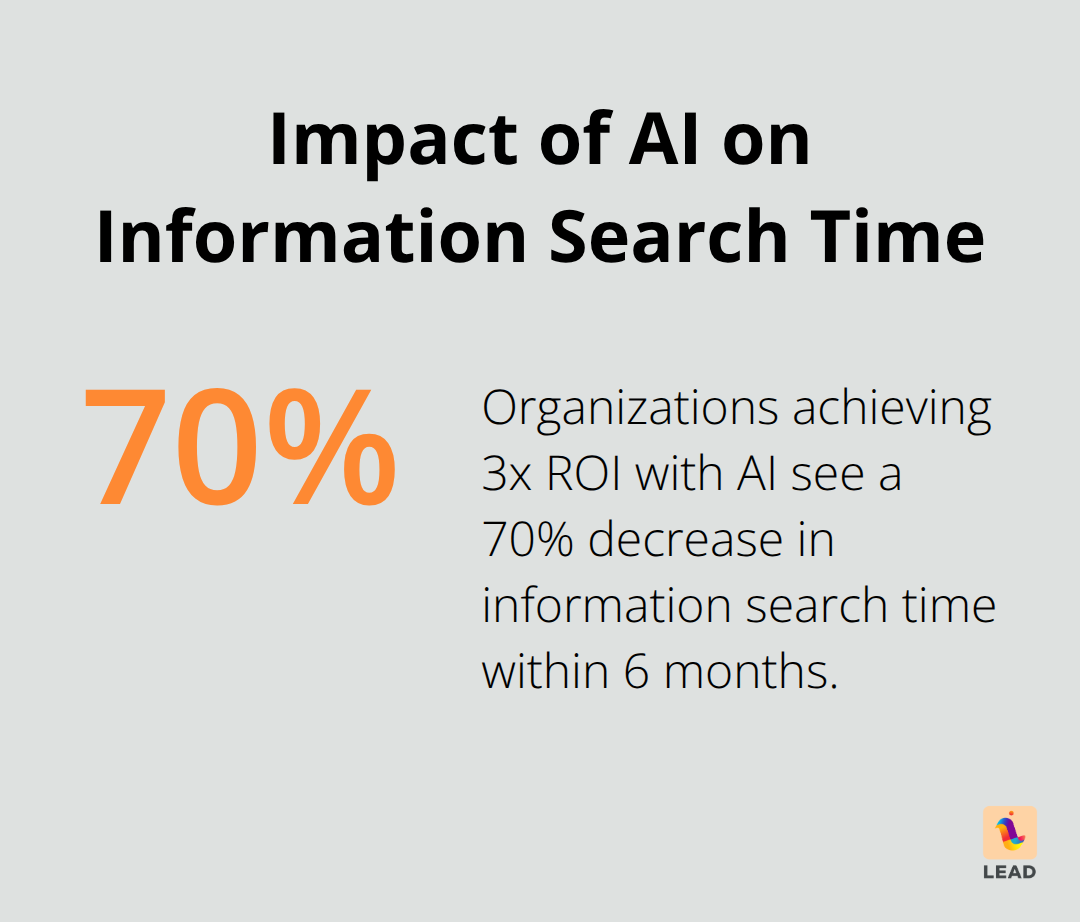
Set your baseline before flipping the AI switch-measure current search times, note repeated questions, log expert consultation requests. Post-implementation, keep score monthly. Savvy businesses also track those side perks like slashed onboarding times and quicker project wraps. The golden stat? Organizations hitting 3x ROI often enjoy a 70% dip in information search time within just six months.
Final Thoughts
AI-powered knowledge management-it’s shaking up how organizations compete in today’s market. And here’s the kicker: Companies diving into these systems are seeing 75% faster information retrieval, 40% productivity boosts, and savings that run into the millions. It’s a no-brainer-the data shows that those nailing AI knowledge systems leave their rivals eating dust.
What’s the deal with advanced language models? They’re not just shooting the breeze; they tackle complex questions with laser-like precision. Throw in computer vision that’s processing multimedia like butter, and predictive analytics shutting down knowledge jams before they throw a wrench in the works. Future systems? Forget just storing info-they’ll be like having a crystal ball that connects dots across departments and predicts what your team needs before they even know it.
But, hang on-success isn’t just about throwing tech at the problem. Companies need a clean data game, all-star team training, and rock-solid change management (the real winners get it-AI adoption is all about people, not just matching logic). At LEAD.bot, we’re the bridge over troubled waters between AI systems and human networks through workforce collaboration tools. We’re all about finding knowledge gurus, uncovering those hidden gems, and setting up the cultural stage that makes AI rollouts hit it out of the park.