
How AI knowledge management helps your team find answers faster
Your team already has the answers. The hard part is finding them when work is moving fast. AI knowledge management helps you surface the right document, owner, or past decision without making people dig through folders, chats, and outdated wikis. When it works well, your team spends less time hunting and more time solving the problem in front of them.
That matters because most knowledge problems are not really storage problems. They are trust, context, and timing problems. A file can exist in your system and still be useless if nobody knows whether it is current, who owns it, or when to use it. AI can help, but only when the system behind it is clean enough to support good answers.
Why knowledge gets lost even when everything is documented
Most teams do not suffer from a lack of information. They suffer from too much information in too many places. Project notes live in one tool. Process docs live in another. Important decisions sit inside Slack threads, meeting recordings, or somebody's head.
That creates three common problems. First, people waste time searching. Second, teams repeat work because they cannot see what already exists. Third, new hires struggle to learn how work really gets done. AI knowledge management can reduce that friction, but only if your content is organized and maintained with care.
If you skip that foundation, AI will still return answers. They just may be outdated, incomplete, or disconnected from the real workflow. That is why good knowledge management starts with governance, ownership, and clear habits before you layer on automation.
What AI knowledge management does well
At its best, AI knowledge management makes your knowledge base easier to search, summarize, and connect. Instead of matching exact keywords, modern systems can interpret intent. Someone can ask a plain-language question and get a useful answer, not a long list of loosely related files.
AI is especially useful in a few everyday moments:
- Summarizing long documents into the key points your team actually needs
- Pulling the most relevant policies, playbooks, or project notes into one view
- Suggesting related documents when someone is working on a familiar problem
- Spotting duplicate or stale content that should be merged, archived, or updated
That gives people a faster path to action. Instead of reading ten documents to find one answer, they can start with the best answer and validate from there. If you are evaluating systems, it helps to compare your needs against your core collaboration and workflow needs before you choose a tool.
Where AI still falls short without context
AI can retrieve information quickly, but retrieval is not the same as understanding. A system may know which document mentions a topic without knowing whether that document is still trusted by your team. It may summarize a process without knowing which exception matters most in practice.
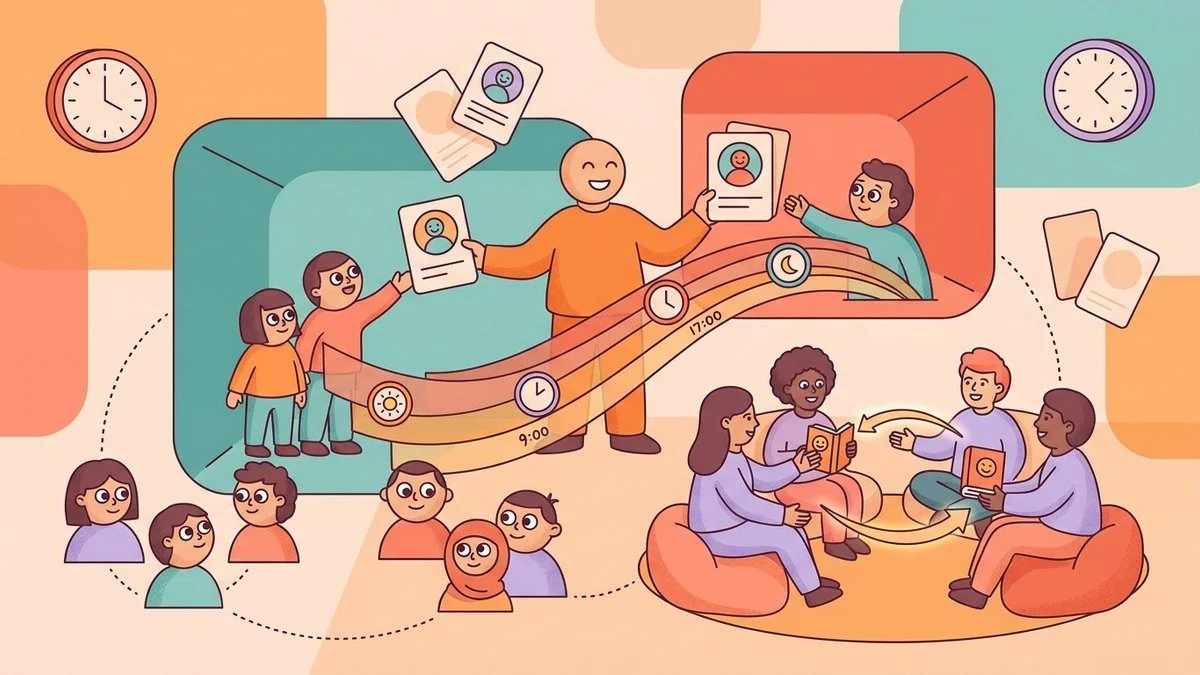
This is where context becomes critical. Teams do not just need information. They need to know which answer fits the situation, who can confirm it, and what has changed since the last update. That is one reason many companies invest in stronger knowledge-sharing and collaboration habits before expecting AI to fix everything on its own.
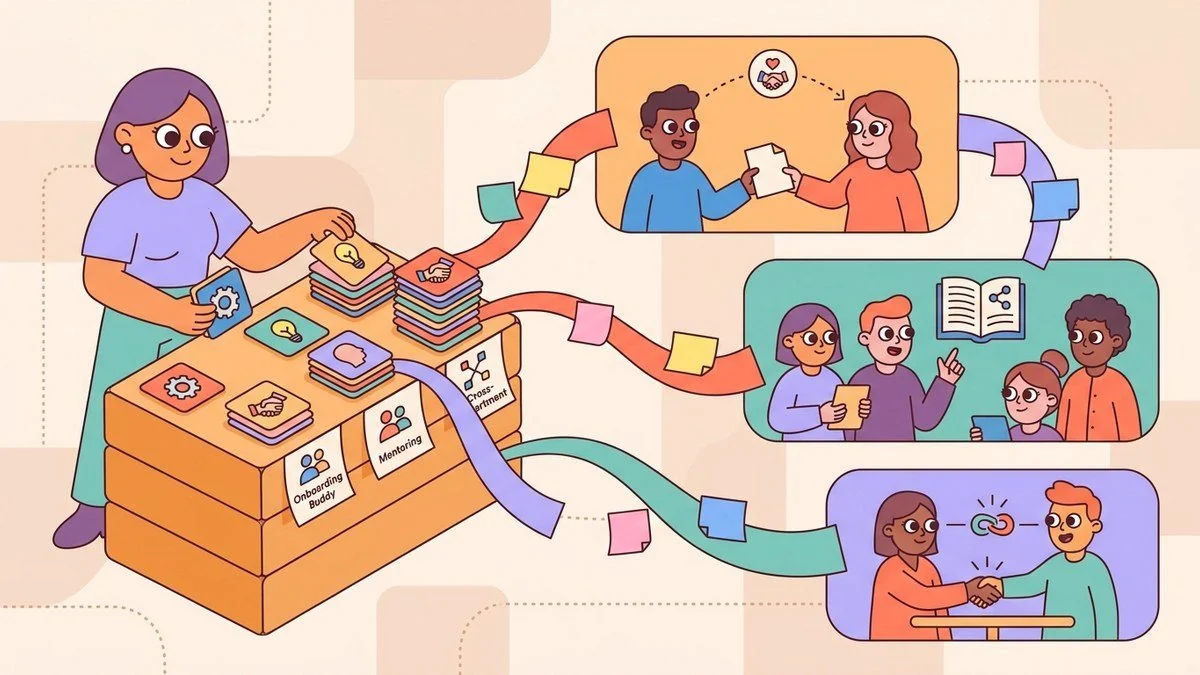
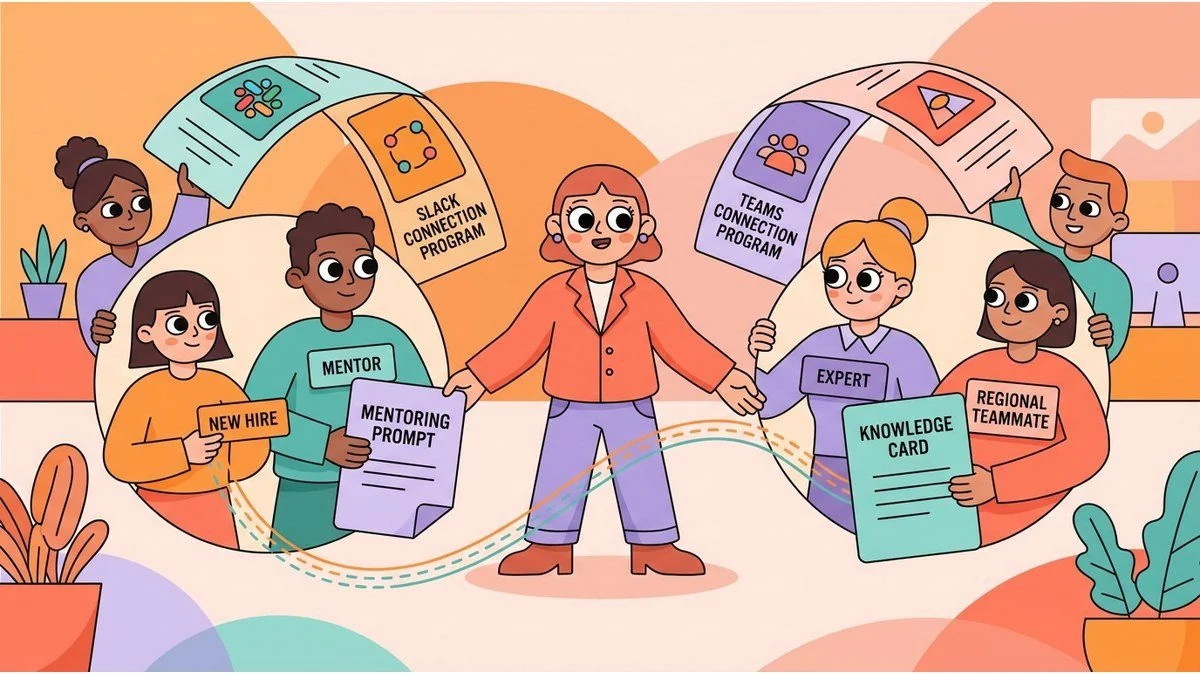
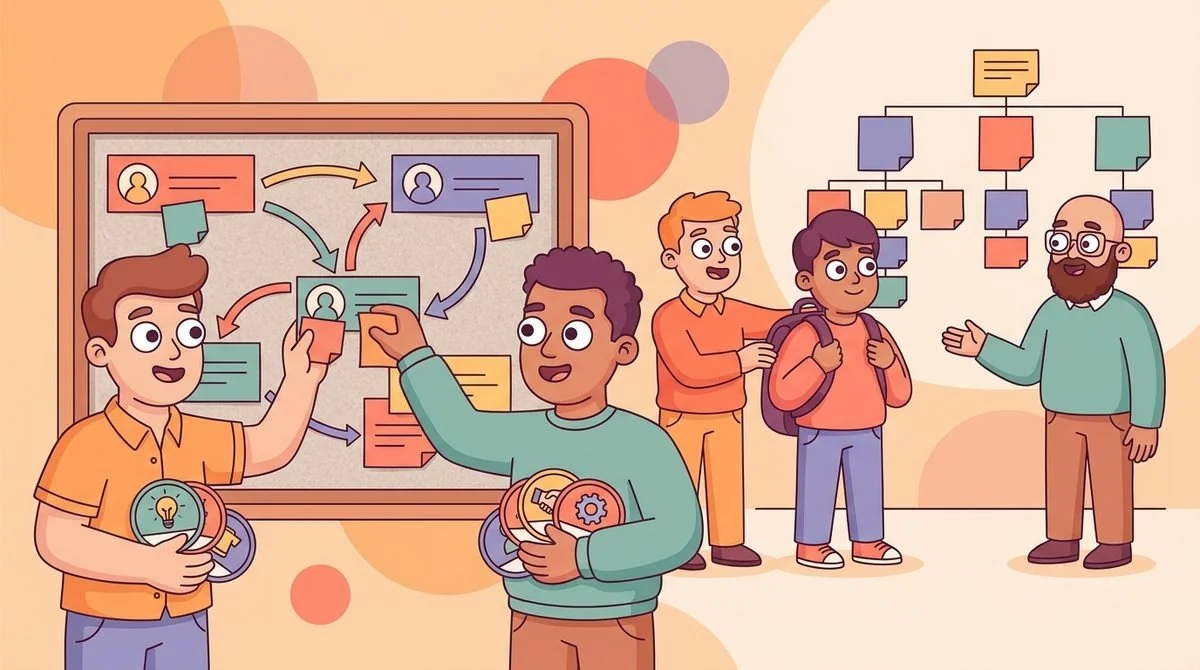
For distributed teams, context also lives in relationships. Who mentors new hires? Who is the go-to person for a customer issue? Which teams share knowledge well, and which teams stay siloed? AI knowledge management gets stronger when it can connect documents with the people and patterns behind them.
How to make AI knowledge management useful in real work
You do not need a perfect system to start. You do need a practical one. Begin by cleaning up the highest-value knowledge in your workflow. Focus on the documents people search for every week, the decisions that create repeated questions, and the content new hires need in their first month.
Then assign clear ownership. Every important page should have an owner, a review cadence, and a simple signal for whether it is current. That makes AI outputs more reliable because the underlying source material is easier to trust.
Finally, measure whether the system is helping. Look at search success, repeated questions, onboarding speed, and time spent finding information. The goal is not to add more content. The goal is to make useful knowledge easier to reach when your team needs it.
The next step is better knowledge flow, not more content
The promise of AI knowledge management is simple: help your team find the right answer faster. The teams that benefit most are not the ones with the biggest document library. They are the ones with better structure, clearer ownership, and stronger connections between knowledge and day-to-day work.
If you want AI to improve how your team works, start small and stay practical. Clean up the knowledge your team relies on most. Make it easier to trust. Then let AI help people reach it faster.